Water Damage Restoration Bow, NH
Burst pipes, basement flooding, ice dam leaks and septic backups all land on local homes in Bow. The restoration team extracts the water, opens what stays wet and dries it to a measured finish.
(888) 670-6527Call about water in your home
Sixteen water services for homes and businesses
Whether the job is a quick pump-out or a full structural dry, each service follows the same measured process. Homeowners can name the closest match or simply describe what happened.
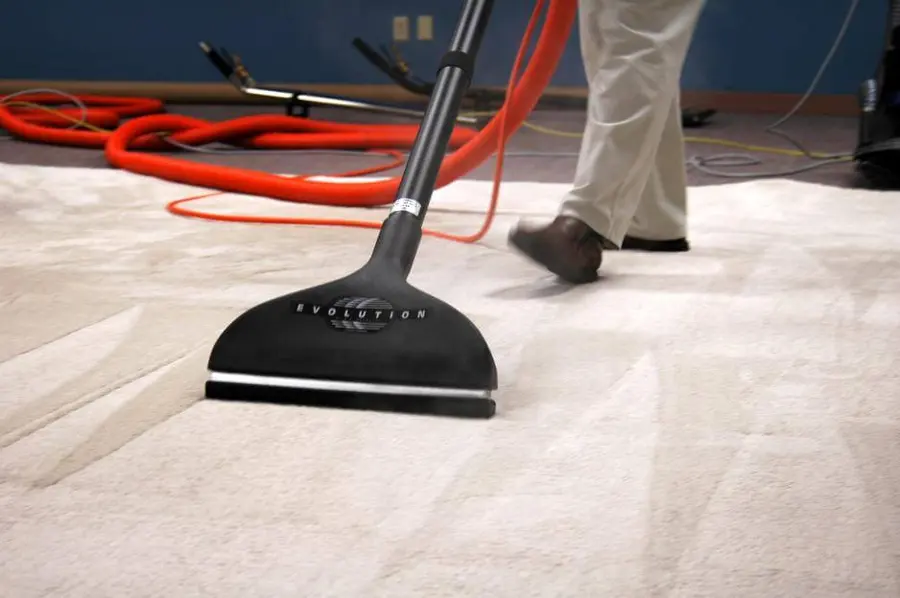 Water Extraction and RemovalStanding water from a river overflow, a failed pump or a split hose is pumped out before it soaks the floor any deeper.Service details
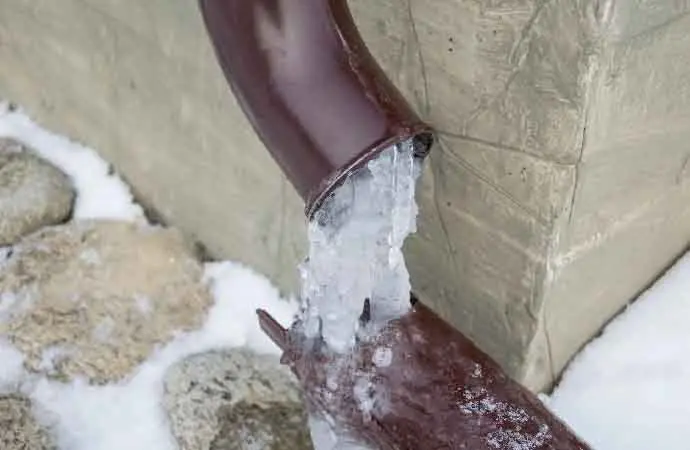 Frozen Pipe Water DamageA pipe that froze in a cold snap can release a flood when it thaws, so the crew finds the break and dries the walls.Service details
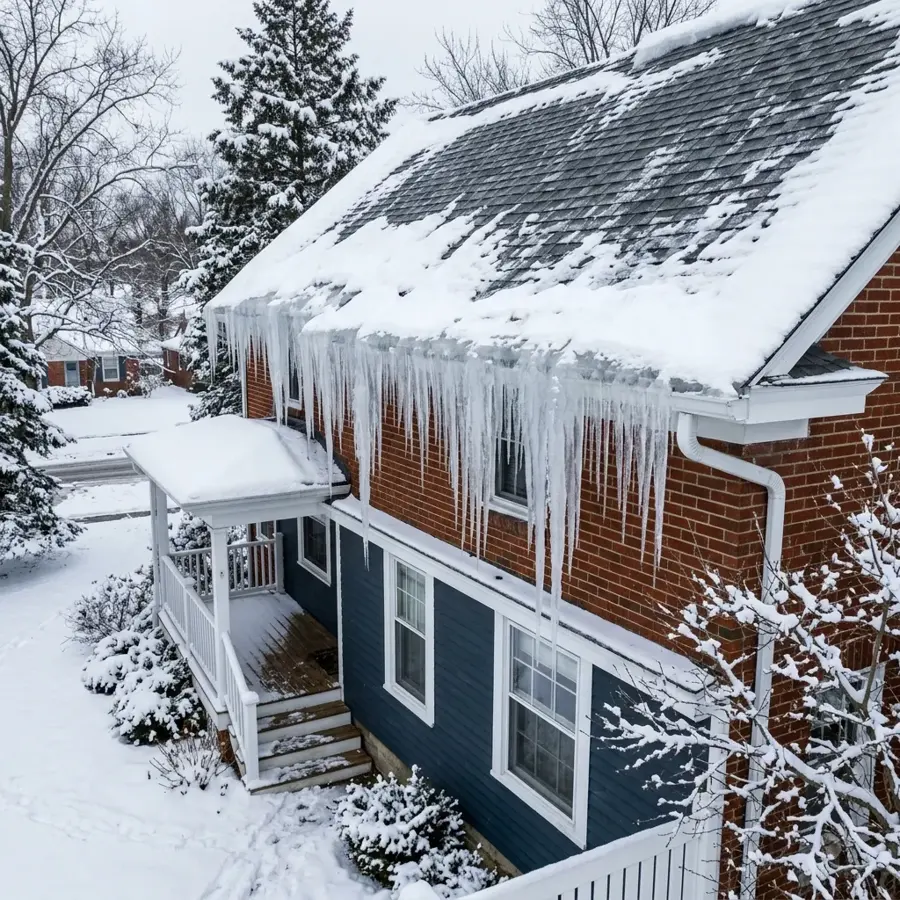 Ice Dam Water DamageMeltwater backed up behind an ice dam works under shingles and into ceilings, so wet insulation and drywall are opened and dried.Service details
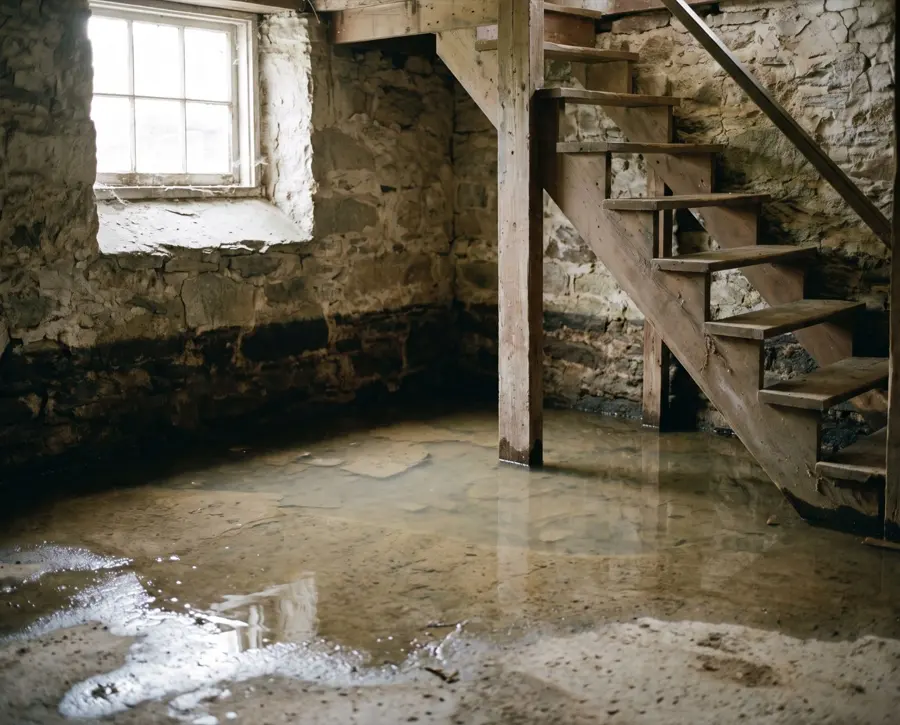 Basement Flooding CleanupBasement water from heavy rain or rising groundwater is pumped out, then the walls, slab and finishes are dried and cleaned.Service details
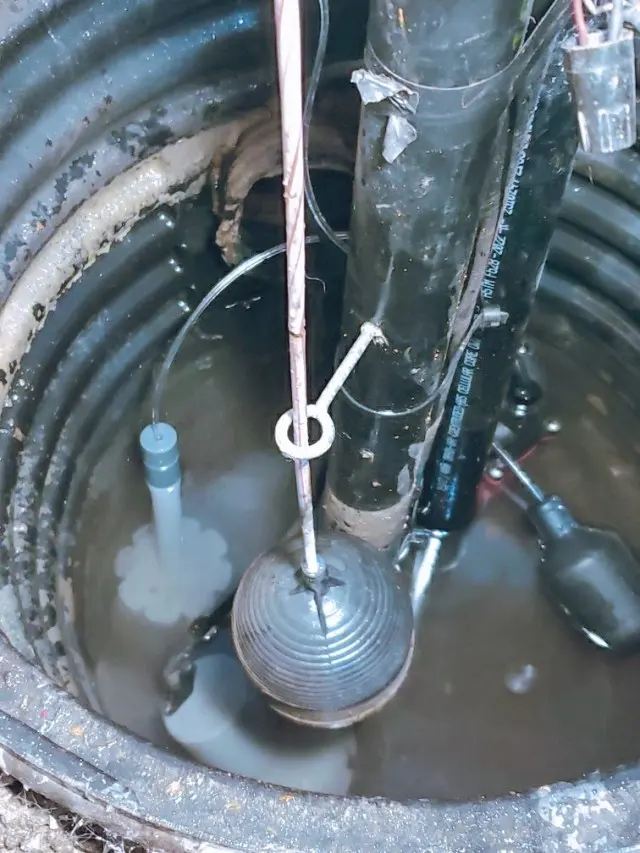 Sump Pump Failure CleanupWhen a sump pump quits during a storm or a power outage, the overflow is extracted and the basement is dried before damage spreads.Service details
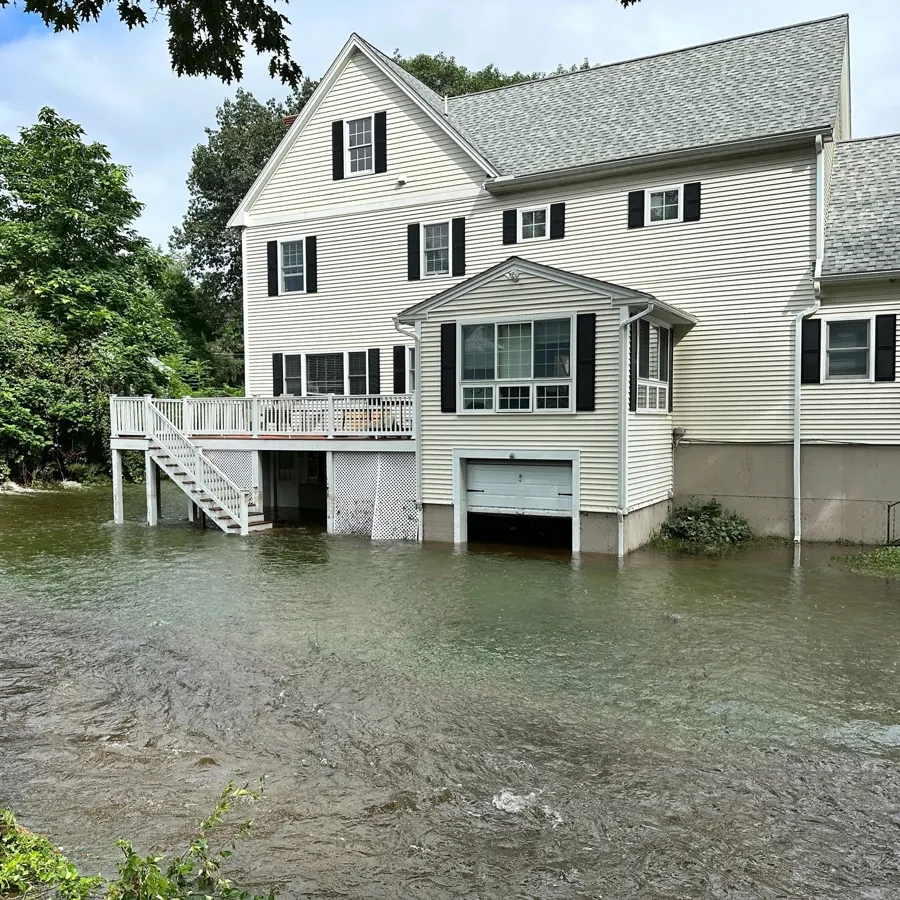 Flood Water CleanupRiver and runoff flooding is treated as contaminated, so porous materials are removed, surfaces are cleaned and the structure is dried.Service details
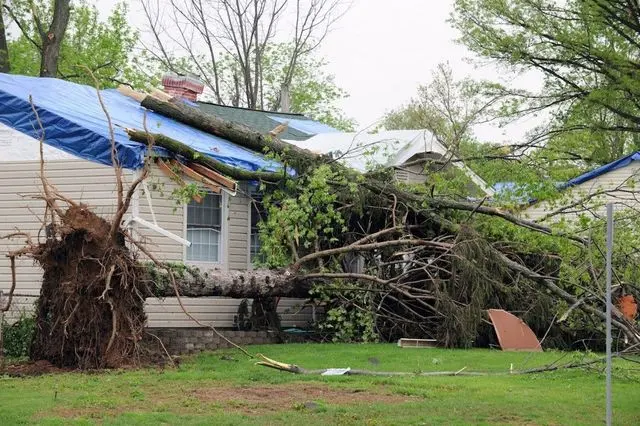 Storm Water DamageWind-driven rain, hail and fallen limbs let water into walls and ceilings, and the crew dries the openings while repairs are arranged.Service details
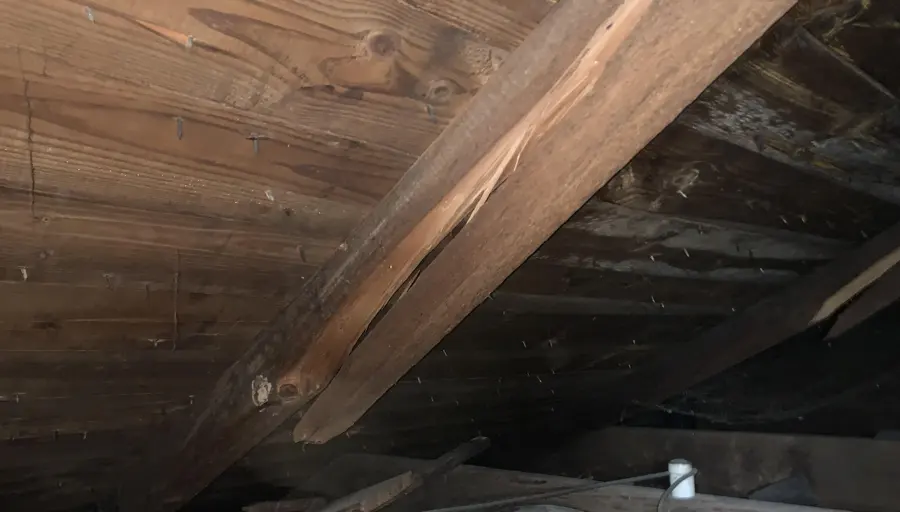 Roof Leak Water DamageA slow roof leak soaks insulation and sheathing long before a stain shows, so the attic and the ceiling below are dried together.Service details
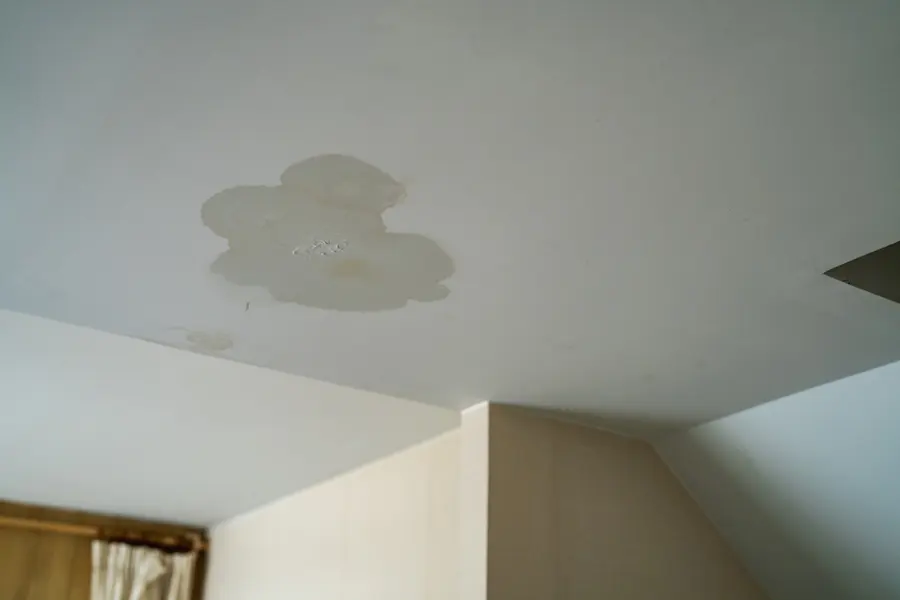 Ceiling Leak Water DamageA wet ceiling is traced to its source, opened where needed and dried so the stain stops growing and the drywall stays sound.Service details
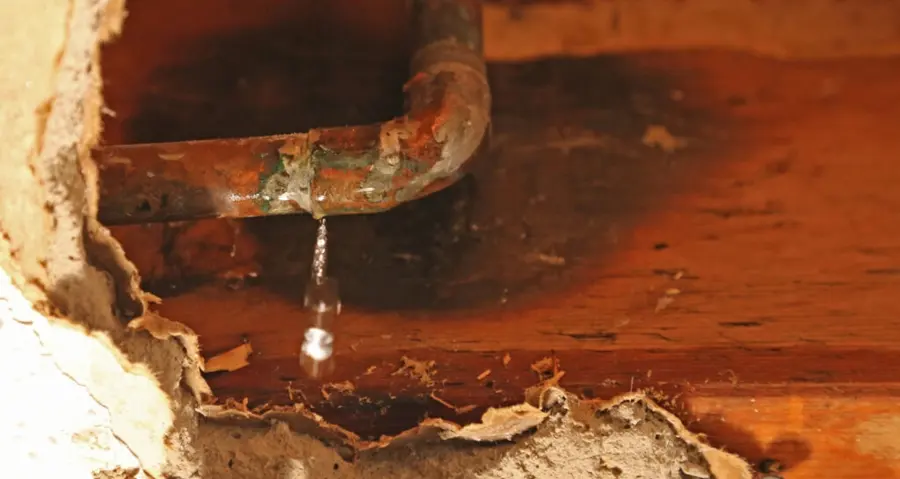 Burst Pipe Water DamageWhen a supply pipe splits, the water is extracted fast, wet cavities are opened and the floors, walls and ceilings are dried.Service details
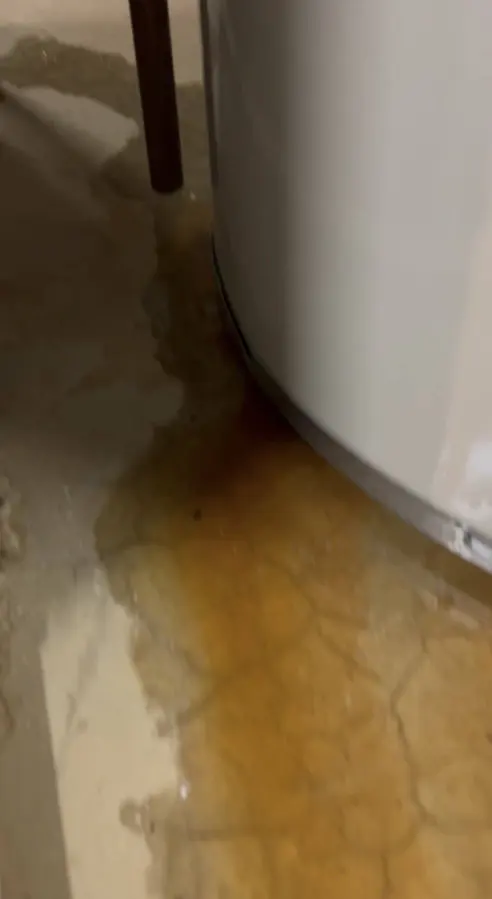 Water Heater Leak CleanupA failed water heater can empty its whole tank at once, and the crew extracts it, sorts what is wet and dries the floor.Service details
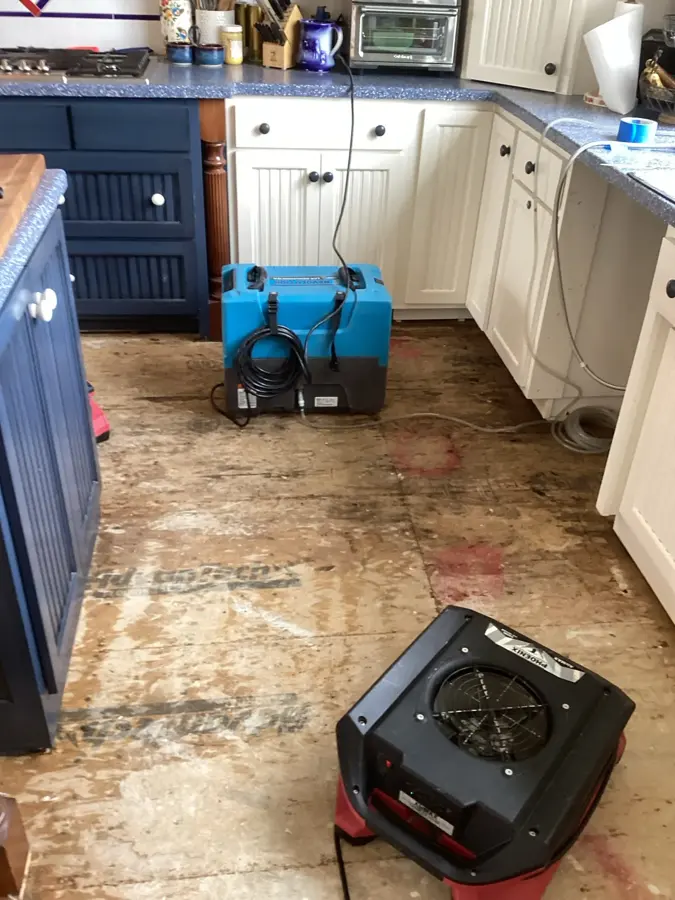 Appliance and Supply Hose LeaksDishwasher, washer and ice maker hose leaks hide under cabinets and flooring, so moisture meters find the wet areas before they are dried.Service details
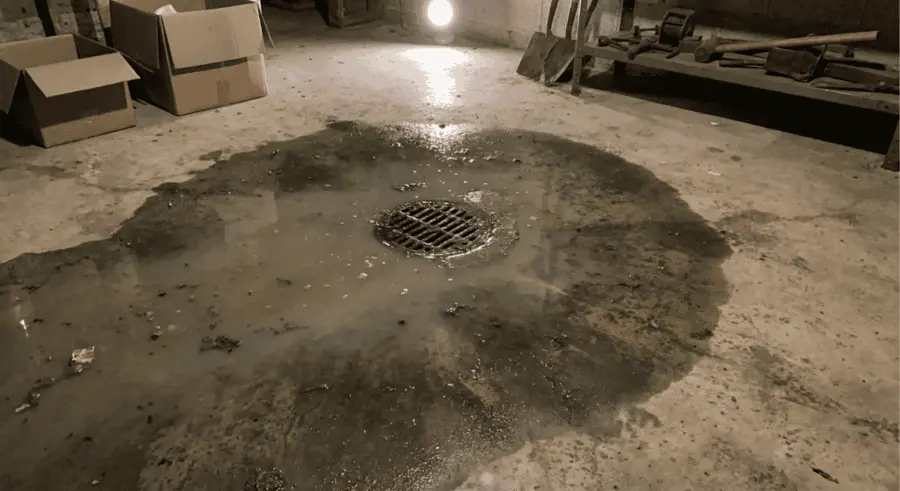 Sewage Backup CleanupSeptic and drain backups are handled as black water, with containment, removal of porous materials, cleaning and antimicrobial treatment.Service details
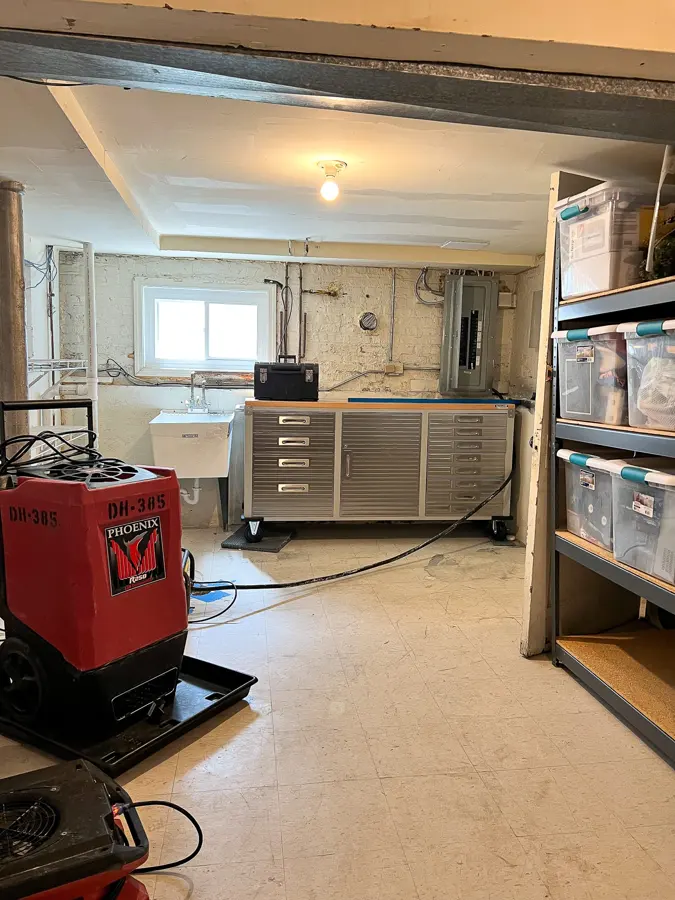 Structural Drying and DehumidificationAir movers and dehumidifiers dry framing, drywall and subfloors, with daily readings that show when the structure is actually dry.Service details
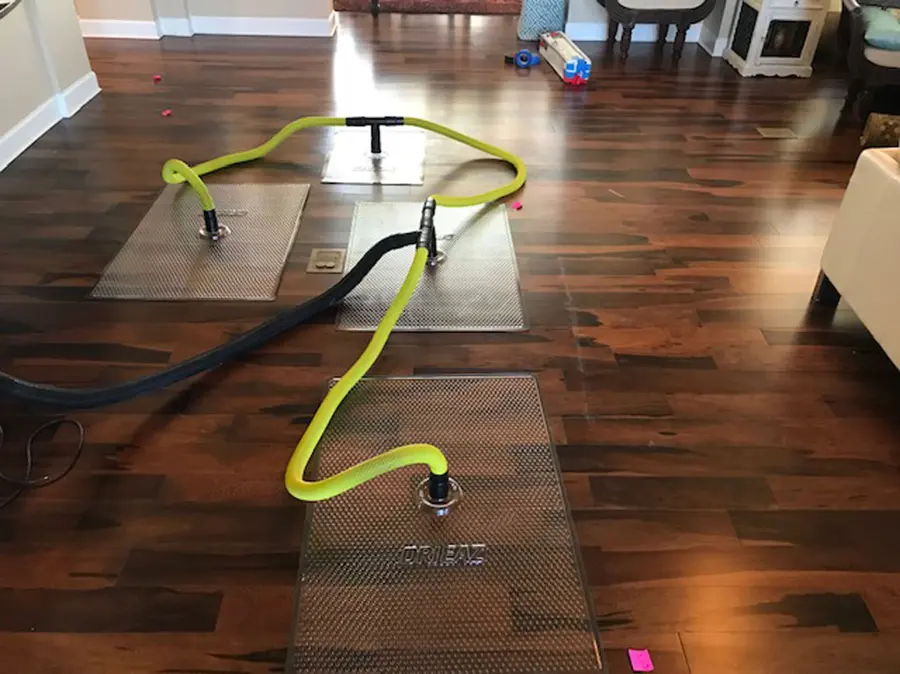 Hardwood Floor DryingHardwood and engineered floors are dried with mats and panels where possible, so boards can be saved before they cup or buckle.Service details
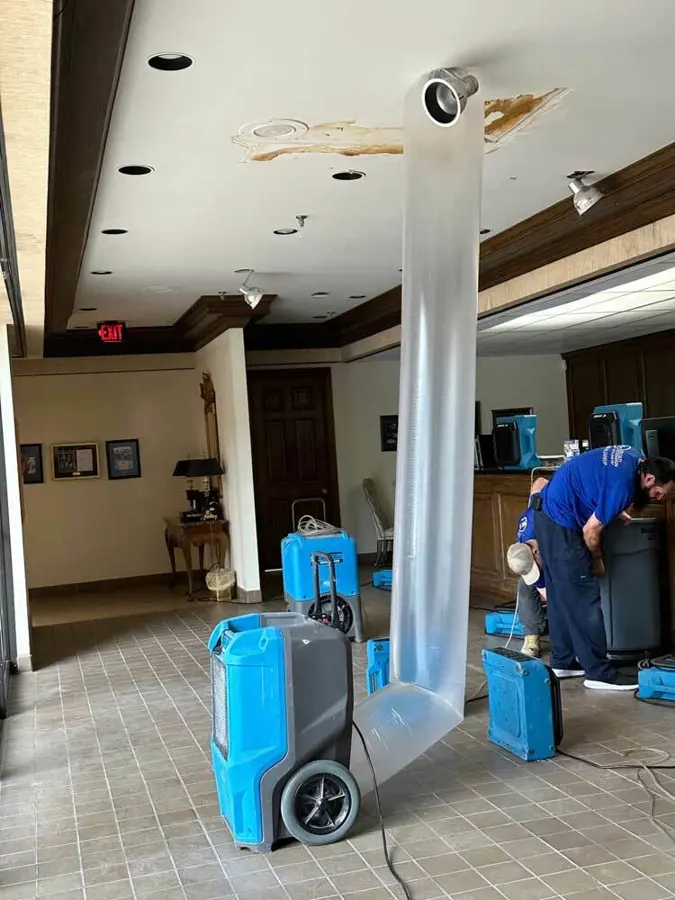 Commercial Water DamageShops, offices and industrial users get phased drying, containment between occupied areas and a detailed file for the claim.Service details
What to do in the first stretch after water appears
Small choices made early change how much has to be torn out later. Stop the source, stay safe and protect what can be saved while the claim details are gathered.
Stop the source Close the main valve for a split pipe or a leaking appliance. In a home on a private well, switch off the pump breaker as well.
Cut power to wet areas Turn off breakers for wet rooms from a dry spot, and never wade through standing water near outlets or a panel.
Photograph everything Record how high the water reached, the damaged contents and any sagging ceiling before anything moves. These pictures support the insurance claim.
Lift what can be saved Move small furniture, rugs and electronics to a dry room, and pull loose items off wet floors.
Describe the water Tell the crew where it started, how deep it is and whether it came from a clean pipe, a drain or the outdoors.
Not sure what kind of water it is?
Water from a septic tank, a toilet or a river overflow should be treated as contaminated. Keep everyone out of the area and wait for the crew's advice.
(888) 670-6527Ask about contaminated waterEvery job is mapped, dried and verified
The crew measures moisture in each material, sets air movers and dehumidifiers to match, and reads the same spots every day. Drying ends only when the readings reach the dry goal for that material.
Find the wet
A thermal camera and moisture meters mark the wet and dry boundaries on walls, floors and ceilings so no hidden pocket is missed.
Take out the water
Pumps and extractors remove the bulk water, and soaked pad, insulation or drywall that cannot dry in place is cut out.
Dry the structure
Air movers push dry air across surfaces while dehumidifiers pull moisture from the room, adjusted as the readings change.
Log and confirm
Daily readings are recorded until each material reaches its goal, and the log goes into the claim file.
Water damage restoration across Bow, NH
Bow ZIP code
Where the crew works in town
Work covers the neighborhoods around the town center, the hill roads, the Hall Street and River Road side near the Merrimack River, and the commercial streets by the interstate junction.
Homes on private wells and septic systems are served as readily as the smaller group connected to town sewer, and so are businesses along the Route 3A corridor.
Bow, NH · [email protected]
See every water service nearbyAreas and corridors
Nearby towns
What a water loss looks like during drying
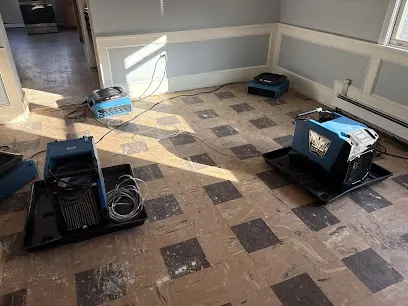
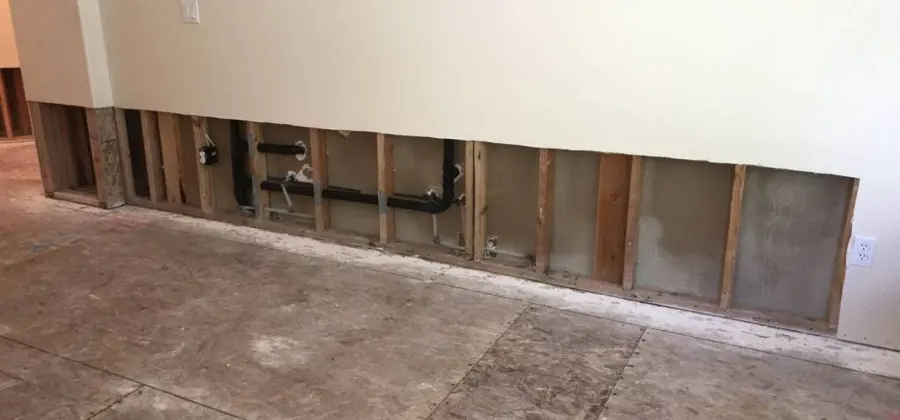
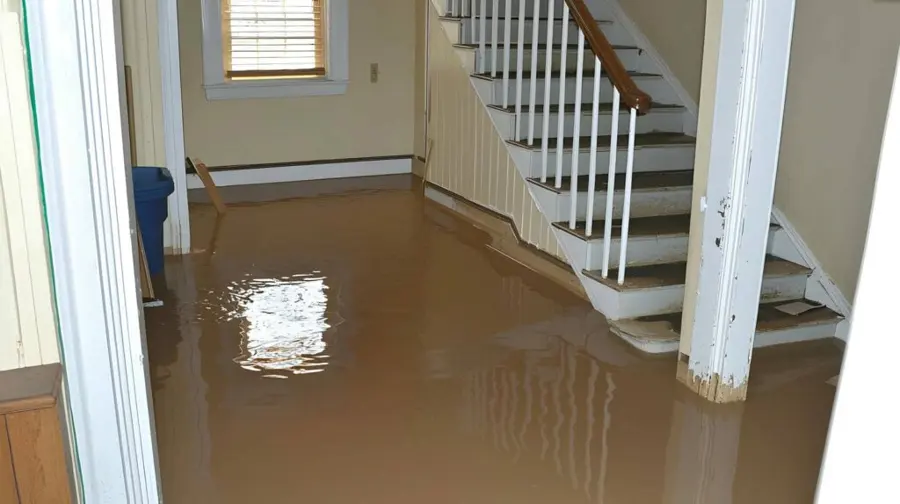
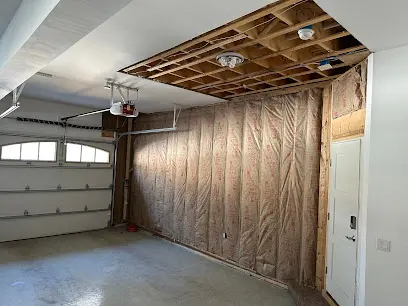
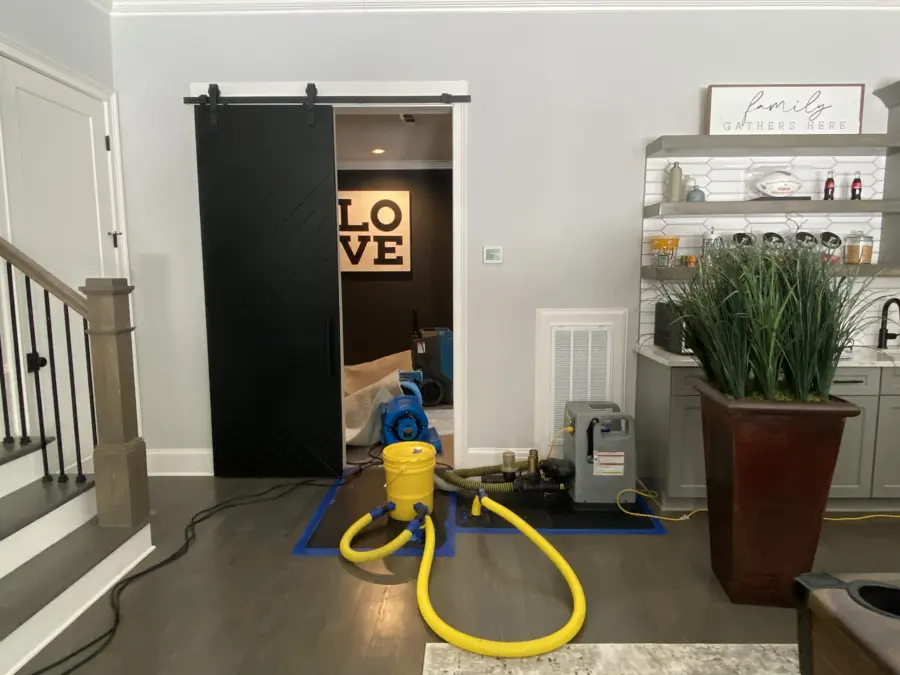
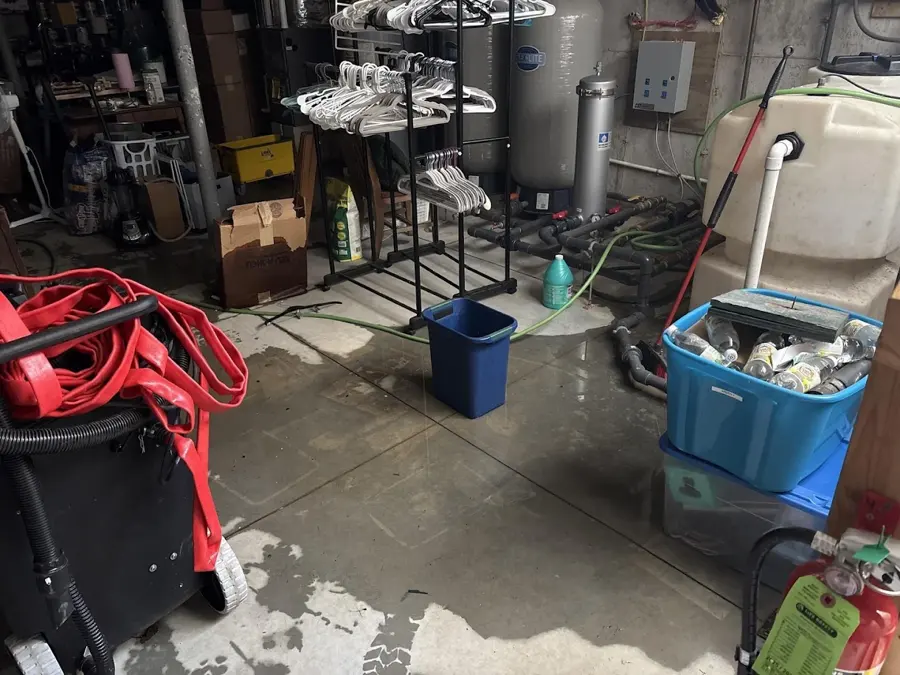
Careful work that stands up to a claim
Local to the area
The crew knows the river side, the hill roads and the commercial streets near the interstates, so routing and planning stay practical.
Equipment sized to the loss
Truck-mounted pumps, desiccant units and air movers are matched to the job, whether it is one room or a full level.
A record for the adjuster
Photos, moisture maps and daily readings are collected in one file that supports the insurance claim.
Honest scoping
Only materials that cannot dry are removed, so a damp wall is not torn out when it can still be saved.
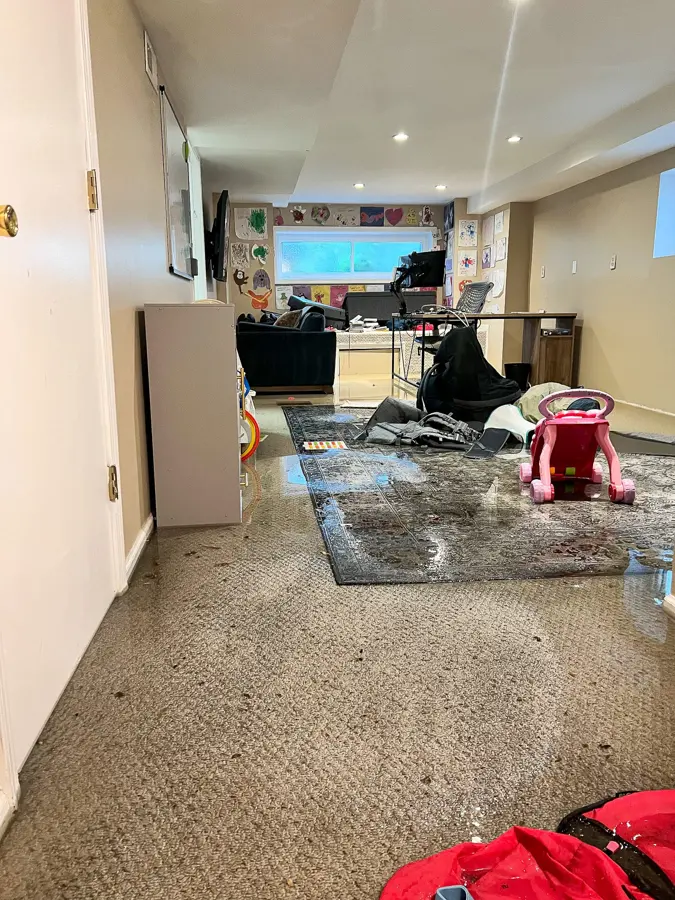
Every job starts with measurements, not guesses. The crew documents what was wet, how it was dried and when it reached the target, so the adjuster sees a clear record.
Know which kind of water this is
Clean water
Water from a supply pipe, a tank or a roof leak starts out clean but gets worse with time, so early extraction matters.
Frozen pipe cleanupGray water
Dishwasher, washer and sump overflow carry soap or soil, and porous materials that stay wet can turn a small loss into a big one.
Appliance leak cleanupBlack water
Septic backups and river flood water carry bacteria, so porous materials are removed and the area is cleaned under containment.
Sewage backup cleanupWhat does water damage restoration cost here?
Most local jobs fall between about $1,200 and $25,000, depending on how much water there is, which rooms it reached and whether it was clean or contaminated. Drying time and the materials involved move the number most, along with how fast the work begins.
- One room or one wall affected
- Extraction plus drying equipment on site
- Little or no material removal needed
- Water across a full level of the home
- Wet drywall and carpet pad removed
- Several days of drying with logs
- Deep or contaminated water throughout
- Containment, cleaning and full removal
- Extended drying with daily readings
These are typical ranges, not quotes. The written scope follows moisture readings, and hidden damage behind a wall or under a floor can shift it. Try the cost calculator for a closer picture.
Working with your insurance claim
Most homeowner policies cover sudden water, such as a burst pipe, and exclude slow leaks and flooding from outside. The restoration team documents the loss in the form adjusters expect.
- Photographs of the water, the source and the damaged contents
- Moisture readings from the first day and every day after
- A list of materials removed and the reason for each one
- Equipment logs showing how many days each dehumidifier and air mover ran
- Receipts for emergency repairs and any temporary storage costs
If you file yourself
Call the insurer early, describe the loss honestly as sudden or gradual, and ask what the policy says about water that enters from outside the house, since flood coverage is usually separate.
The town entered the National Flood Insurance Program in October 1978, so homeowners near the river can buy flood coverage apart from a standard policy. Keep those policy papers where they are easy to find.
What puts local homes at risk
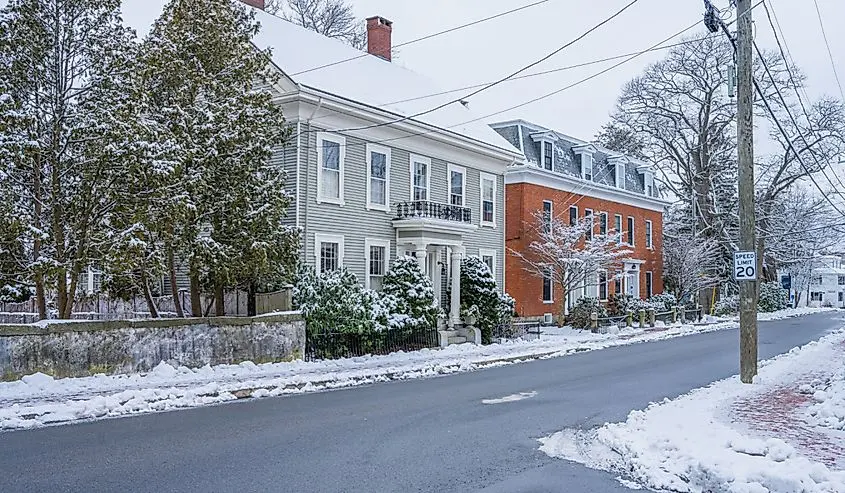
The town sits along the Merrimack River, with the Turkey River, brooks and road culverts feeding low spots, and winter adds hard cold, ice storms and thaws. Moving water and freezing weather drive most losses here.
May 2006: The Mother's Day flood caused more than $1 million in damage to public property, and most private damage was in flooded basements. Culverts washed out on Dunklee Road and Page Road.
Merrimack River edge
The 2006 hazard plan counted 174 homes and 43 non-residential buildings in or beside the floodplain, mostly on the eastern and northeastern river side.
Turkey River crossings
The Turkey River runs through the Bow Mills area, and the South Street bridge over it came very close to overtopping in the 2006 flood.
Washed-out culverts
Dunklee Road stayed closed for over three months and pavement was undermined on Allen Road, showing how runoff undercuts roads.
Deep cold
Lows in the Concord area fall under 0 F on roughly 15 nights a year, enough to freeze exposed or poorly heated pipes.
Winter thaws
A few days each month from December to February reach 50 F or higher, so frozen pipes release water and roofs shed meltwater.
Outages and ice
The February 1978 snowstorm left residents three days without electricity, water or heat, and the January 1998 ice storm reached Putney Hill and Brown Hill.
Water damage questions from local homeowners
Still have a question?
Describe what happened and the team explains the likely scope and what the insurer will want to see.
(888) 670-6527 Talk it throughWhat should I do first when water gets into the house?
Stop the source if it is safe, turn off power to the wet area and photograph everything. Then call the crew and describe where the water started, how deep it is and what kind it seems to be.
How long does drying usually take?
Most structures need several days of equipment, and dense materials like plaster or hardwood take longer. The crew reads moisture every day and removes equipment only when each material reaches its target.
Does the work cover homes on private wells and septic?
Yes. Many local homes use private wells, and homes outside the sewer area rely on septic systems, so the crew plans for pump power, tank backups and leach field conditions as well as town sewer connections.
Is river flood water different from a pipe leak?
River water carries silt, sewage and debris, so it is treated as contaminated. Carpet, pad and insulation are removed rather than dried, and the surfaces left behind are cleaned and treated.
Will insurance cover the damage?
Coverage depends on the policy and the cause. Sudden pipe and appliance failures are often covered, while rising river water usually needs separate flood insurance. The crew supplies photos, readings and logs for the adjuster.
Can a frozen pipe cause damage after it thaws?
Yes. A pipe can crack while frozen and only leak once the ice melts, which often happens in a midwinter warm spell. Closing the main valve at the first sign of dripping limits the loss.
What happens when a sump pump fails in a storm?
The basement fills steadily while the pump is down. The crew pumps it out, removes soaked finishes and dries the slab and walls, and a battery backup is worth discussing afterward.
Do shops and offices get the same service?
Yes. Businesses get phased drying, containment between occupied areas and a detailed claim file, including those in the commercial areas near the interstates and along Route 3A.
Who handles repairs after the drying is done?
Restoration ends when the structure is dry and documented. Rebuilding, painting and flooring are separate trades, and the crew coordinates with the contractor so drywall is never closed over a damp cavity.
Why does water damage get worse when it waits?
Water wicks into drywall, framing and flooring, and mold can start growing in a day or two. Fast extraction and drying limit what has to be removed and keep the final cost lower. See the full list of local services for the first step.
Water in the house is not a wait-and-see problem
The sooner extraction and drying begin, the less has to be removed. Call and describe the damage to start the plan.
(888) 670-6527Get the drying plan moving