Sewage Backup Cleanup in Bow, NH
A backup from a septic tank or a blocked drain is black water. In Bow, the crew seals off the area, removes what cannot be cleaned, sanitizes the surfaces and dries the structure.
(888) 670-6527Call about a sewage backup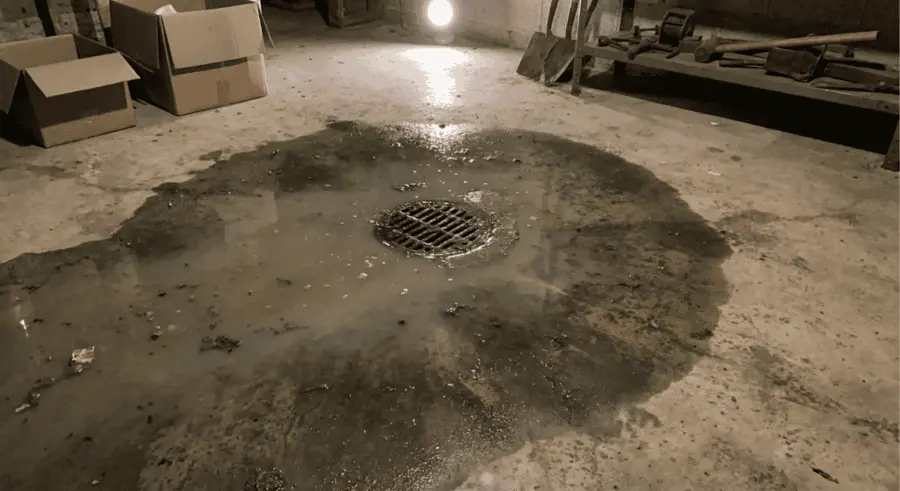
First steps for sewage backup cleanup in Bow
Sewage backups are handled as black water from the start, with no exceptions. In Bow, the town sewer serves only about 170 users, so many backups begin in a private septic tank or leach field rather than a public main.
Stop using water Do not flush, run the washer or use sinks, since every gallon can push more wastewater into the house.
Keep people out Close the door to the area and keep everyone else away, especially anyone with health concerns.
Avoid touching it Do not wade in or clean it yourself. Wear gloves and boots if you must cross, and wash well afterward.
Photograph and call Take pictures from the doorway and describe whether it came from a toilet, a floor drain or the septic system.
Septic tank full or failing
A backup that follows heavy rain or a long period of use may start at the tank. A septic service should inspect it after cleanup.
(888) 670-6527Ask about septic backupsHow the Bow restoration team handles sewage backup cleanup
Rapid local response
Dispatch runs around the clock, and active water is treated as urgent at any hour, weekends and holidays included.
IICRC S500 drying standard
Structural drying, not surface drying: air movers and LGR dehumidifiers sized to the class of loss, checked with daily readings.
Claim-ready documentation
Moisture maps, daily psychrometric logs and timestamped photos taken before any demolition go into the claim file.
Cold-climate know-how
Frozen pipes, ice dams, snowmelt in older stone basements and spring river flooding set how a home here gets wet.
What does sewage backup cleanup cost in Bow, NH?
Sewage backup cleanup runs from $2,000 for a small spill on concrete to $30,000 for a large or repeat backup. Porous finishes, the area affected and the need for containment move the total.
- Backup on a bare concrete floor
- Containment and cleaning
- Antimicrobial treatment and drying
- Carpet, drywall and contents touched
- Porous materials removed
- Containment and HEPA scrubbing
- Sewage across several rooms
- Full removal of porous finishes
- Extended cleaning and drying
Documentation for your insurance claim
The restoration team builds the claim file: a moisture map, daily drying logs, timestamped photos before demolition and a line-item scope. A sudden pipe or appliance leak is usually a homeowners claim; rising flood water usually needs a flood policy. Coverage depends on your policy, so check with your own insurer.
Ranges are typical, not a quote: water category, square footage, material class and how fast drying started move the number most. Run the water damage cost calculator for a closer range.
How sewage backup cleanup is handled in Bow
The tech who does the walkthrough maps moisture before any equipment goes down, so the drying plan matches what is actually wet. Equipment stays until the readings say dry, not until it looks dry.
Contain and protect
Plastic barriers, filtered air and protective gear keep the spill from spreading.
Remove the porous
Carpet, pad, drywall and contaminated contents are bagged and carried out.
Scrub and sanitize
Surfaces and framing are washed and treated with an antimicrobial product.
Dry and verify
Equipment dries the area and final readings confirm it is ready for rebuilding.
Septic or town sewer
Homes outside the sewer area use septic systems with leach fields, and a failed tank outlet, a saturated leach field or a blocked building drain can push wastewater back into the house. Homes on the town system can also see backups from a blocked drain pipe leaving the building.
- A full or failing septic tank
- A leach field saturated by heavy rain or high groundwater
- Roots or grease blocking the drain pipe leaving the house
- Floor drains and toilets that back up together
Why black water needs containment
Sewage carries bacteria and viruses, so the crew seals off the affected area with plastic barriers, runs filtered air machines and wears protective gear. Anything porous that touched the water is removed, because cleaning alone cannot make it safe for the household.
Cleaning and sanitizing
Hard surfaces are scrubbed and treated with an antimicrobial product, and the framing and slab are dried afterward. Contents are sorted, since hard items can be cleaned while upholstered, paper and fabric items are discarded.
- Carpet, pad and soaked drywall removed and bagged
- HEPA air filtration during removal
- Antimicrobial treatment before any drying begins
Calling the right trades
A septic service or plumber must fix the cause, or the backup will repeat. The Environmental Protection Agency advises homeowners on septic upkeep, and FEMA lists cleanup safety steps after sewage flooding. See flood water cleanup when river water caused the backup.
Sewage backup cleanup across Bow and nearby towns
Sewage work covers homes on septic systems across town as well as the smaller group on the town sewer, with the same containment standards used in every neighborhood served.
The same service nearby: sewage backup cleanup in Concord, Pembroke, Hooksett.
Related water damage services in Bow
Sewage Backup Cleanup questions in Bow, NH
Water still spreading?
Sewage coming up through a drain or toilet? Stop using water and the team will explain the containment plan.
(888) 670-6527 Ask about the backupIs sewage backup dangerous to touch?
Yes. Sewage carries bacteria and viruses, so skin contact and splashing should be avoided. The crew uses protective gear and containment for that reason.
Can carpet be cleaned after a backup?
No. Carpet and pad that touched sewage are removed, because bacteria soak in too deeply to wash out.
Why did my septic system back up into the house?
A full tank, a blocked outlet or a saturated leach field can push wastewater into the lowest drains. A septic service can find which one it was.
Will insurance cover sewage backup?
Many policies exclude backup unless a rider was added, so the policy language matters. The crew records the source and damage in detail for the adjuster.
How long before the area is safe again?
After removal, cleaning and treatment, the area is dried and checked. The crew confirms it is ready before rebuilding begins, and does not set a fixed day count.
Does rain make septic backups more likely?
It can. Heavy rain and high groundwater can saturate a leach field, which slows drainage and sends wastewater toward the house.
Sewage spreads contamination the longer it sits
Describe the source and how far the spill reached.
(888) 670-6527Bow sewage backup help