Water Extraction in Bow, NH
Standing water in Bow homes, from a river overflow, a failed pump or a split pipe, is pumped out and the floor is extracted before the water soaks into framing.
(888) 670-6527Call about the standing water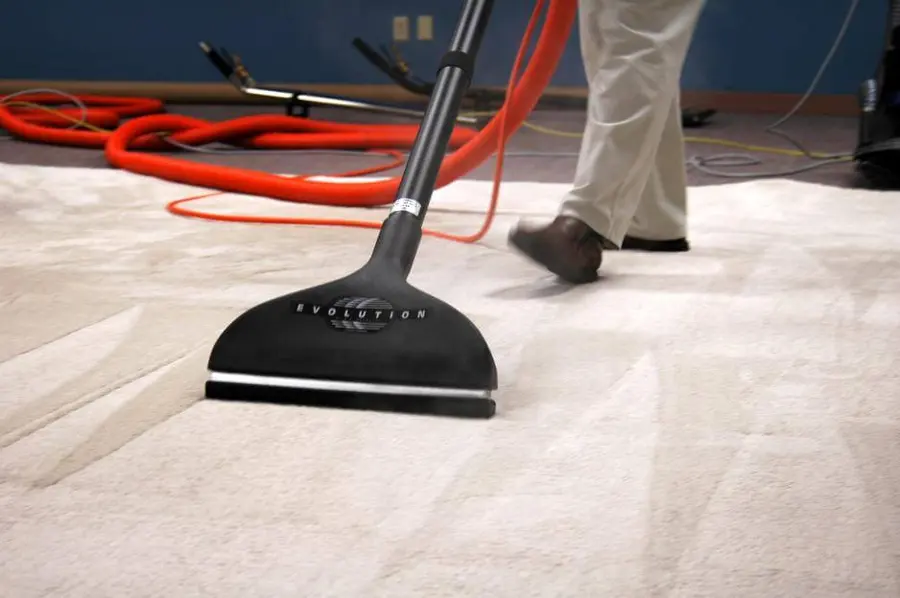
First steps for water extraction and removal in Bow
In Bow, standing water rarely comes from one source. The Merrimack River and the Turkey River can spill into low ground, heavy rain can overwhelm brooks and culverts, and indoor pipes and appliances fail without warning. Extraction is the first step in every one of those losses.
Stop the source Close the main valve, shut off a leaking appliance or turn off the well pump breaker so no more water arrives.
Cut power safely Switch off breakers to wet rooms from a dry spot, and keep out of standing water near outlets or a panel.
Lift and photograph Raise furniture legs onto blocks, move small items out and photograph the water level and damaged goods.
Describe the water Tell the crew the source, the depth and whether a drain, septic tank or river was involved, so the right equipment loads.
Standing water and electricity
If water is above outlets or touching the panel, stay out and let an electrician make the area safe before extraction begins.
(888) 670-6527Ask about water near outletsHow the Bow restoration team handles water extraction and removal
Rapid local response
Dispatch runs around the clock, and active water is treated as urgent at any hour, weekends and holidays included.
IICRC S500 drying standard
Structural drying, not surface drying: air movers and LGR dehumidifiers sized to the class of loss, checked with daily readings.
Claim-ready documentation
Moisture maps, daily psychrometric logs and timestamped photos taken before any demolition go into the claim file.
Cold-climate know-how
Frozen pipes, ice dams, snowmelt in older stone basements and spring river flooding set how a home here gets wet.
What does water extraction and removal cost in Bow, NH?
Water extraction usually runs from $400 for one room to $8,000 for a deep basement or contaminated water. Depth, floor area and water category move the price more than anything else, and the written scope follows readings.
- Standing water on one floor
- Portable pump and wand
- Carpet and pad often saved
- Water across one level
- Truck-mounted extractor running
- Soaked pad cut out
- Basement depth or contamination
- Pumps, containment and removal
- Antimicrobial treatment
Documentation for your insurance claim
The restoration team builds the claim file: a moisture map, daily drying logs, timestamped photos before demolition and a line-item scope. A sudden pipe or appliance leak is usually a homeowners claim; rising flood water usually needs a flood policy. Coverage depends on your policy, so check with your own insurer.
Ranges are typical, not a quote: water category, square footage, material class and how fast drying started move the number most. Run the water damage cost calculator for a closer range.
How water extraction and removal is handled in Bow
The tech who does the walkthrough maps moisture before any equipment goes down, so the drying plan matches what is actually wet. Equipment stays until the readings say dry, not until it looks dry.
Locate the water
The crew traces where the water entered and how far it spread under baseboards, flooring and walls.
Remove the bulk
Pumps empty the depth and extractors pull water from floors until surface moisture stops rising.
Treat the category
Contaminated materials come out and surfaces are cleaned and treated so the room is safe to dry.
Hand off to drying
Moisture readings set the equipment plan, and the drying team takes over the wet structure.
How extraction is done
The crew starts by finding where the water is deepest and where it has traveled under walls or flooring. Pumps clear the depth, then wand extractors pull water out of carpet, pad and hard surfaces.
- Submersible pumps for deep basement water
- Truck-mounted extractors for large floor areas
- Weighted wands that pull water from carpet and pad
- Moisture meters to confirm what is still wet
What the May 2006 flood showed
The May 2006 Mother's Day flood damaged public property and flooded residential basements, and Dunklee Road stayed closed for more than three months. Private losses were mostly in basements, where water sat on slabs and soaked stored belongings before it could be pumped out. Speed decided how much finish material survived, and National Weather Service flood warnings plus FEMA flood maps tell owners how exposed a basement is.
Clean, gray or black water
The source decides the plan. Clean water from a supply pipe can often be extracted and the materials dried in place. Gray water from an appliance or a sump overflow needs more care, and black water from a septic backup or river flooding means porous materials are removed and the area is cleaned under containment. The crew tests and names the category before any carpet or pad is cut.
- Clean water from a split pipe or a tank, often salvageable
- Gray water from a washer, dishwasher or overflowing sump
- Black water from a septic backup or river floodwater, removed and sanitized
What happens after the water is out
Extraction is only the first stage. Once the standing water is gone, the walls, subfloor and slab still hold moisture, so the drying team sets air movers and dehumidifiers and returns to read the meters. See structural drying for how that stage works, or the full list of services for every other kind of loss.
Water extraction and removal across Bow and nearby towns
Extraction crews work around Bow Center, along the river side near Hall Street and River Road, and in the commercial streets by the interstate junction, on private wells, septic systems and town sewer alike.
The same service nearby: water extraction and removal in Concord, Pembroke, Hooksett.
Water Extraction and Removal questions in Bow, NH
Water still spreading?
Questions about the water in a basement or a room? Describe it and the team will explain what extraction involves.
(888) 670-6527 Describe the standing waterHow fast does extraction need to happen?
As early as possible. Water wicks into drywall, framing and flooring, and the longer it sits the more material turns into waste. Extraction in the first day or two often saves carpet and pad.
Can carpet be saved after water extraction?
Often yes, if the water was clean and caught early. The crew lifts the carpet, removes the pad and dries both sides, but contaminated carpet is discarded.
What if the basement has several feet of water?
Deep water is pumped down in stages so the foundation walls are not stressed, and the crew checks the source before removal. River water is treated as contaminated.
Do homes on private wells need extra steps?
The well pump breaker is switched off first, since a running pump can keep feeding a leak. Septic backups call for black water handling rather than plain extraction.
Is extraction the same as drying?
No. Extraction removes liquid water, while drying removes moisture held inside materials. Both are needed, and the readings after extraction decide the drying plan.
Can extraction go ahead during a power outage?
Yes. Portable pumps and truck-mounted extractors carry their own power, so storm outages do not stop the work, though drying equipment waits for safe electricity.
Standing water gets harder to handle every day
Describe the depth and the source so the right pumps are ready.
(888) 670-6527Get the pump-out started