Water Heater Leak Cleanup in Bow, NH
A water heater can seep for weeks or empty its whole tank in one go. The Bow crew extracts the water, sorts the wet contents and dries the floor and walls before the damage spreads.
(888) 670-6527Bow water heater help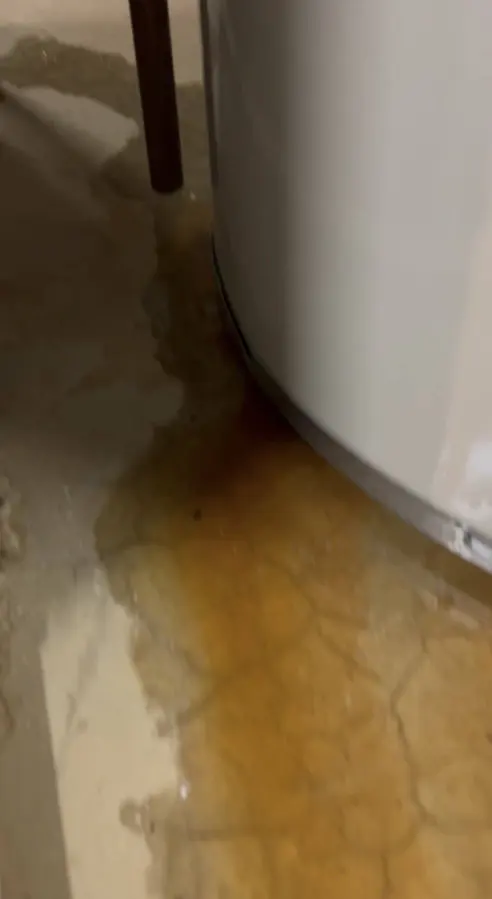
First steps for water heater leak cleanup in Bow
A water heater can fail slowly with a rusty seep at the base or all at once with a split seam. Either way the tank can empty its full volume onto the floor, and the supply pipe keeps adding water until the valve is closed.
Shut off the supply Close the cold water valve above the tank and turn off power or gas to the heater at the switch or breaker.
Keep clear of hot water Tank water can be scalding. Step back from the pool and avoid touching the tank until it cools.
Move belongings up Lift boxes, rugs and electronics from the wet floor and photograph the tank, the water and the damage.
Call about the leak Say how big the pool is, what is stored nearby and whether the heater sits on an upper floor.
Scalding water risk
A failed tank can hold water hot enough to burn. Stay clear of the spill and let the crew handle the extraction safely.
(888) 670-6527Ask about hot water cleanupHow the Bow restoration team handles water heater leak cleanup
Rapid local response
Dispatch runs around the clock, and active water is treated as urgent at any hour, weekends and holidays included.
IICRC S500 drying standard
Structural drying, not surface drying: air movers and LGR dehumidifiers sized to the class of loss, checked with daily readings.
Claim-ready documentation
Moisture maps, daily psychrometric logs and timestamped photos taken before any demolition go into the claim file.
Cold-climate know-how
Frozen pipes, ice dams, snowmelt in older stone basements and spring river flooding set how a home here gets wet.
What does water heater leak cleanup cost in Bow, NH?
Water heater leaks cost from $800 on a basement slab to $12,000 when the tank sat in an upper floor closet. Contents, finished walls and the floor below drive the total.
- Water around the tank and storage
- Extraction and slab drying
- Contents moved and sorted
- Carpet, drywall and storage wet
- Wet finishes removed
- Wall and framing drying
- Subfloor and ceiling below wet
- Flooring and drywall removed
- Two levels of drying
Documentation for your insurance claim
The restoration team builds the claim file: a moisture map, daily drying logs, timestamped photos before demolition and a line-item scope. A sudden pipe or appliance leak is usually a homeowners claim; rising flood water usually needs a flood policy. Coverage depends on your policy, so check with your own insurer.
Ranges are typical, not a quote: water category, square footage, material class and how fast drying started move the number most. Run the water damage cost calculator for a closer range.
How water heater leak cleanup is handled in Bow
The tech who does the walkthrough maps moisture before any equipment goes down, so the drying plan matches what is actually wet. Equipment stays until the readings say dry, not until it looks dry.
Isolate the tank
Supply valves are closed and the tank is checked so no more water reaches the floor.
Extract and sort
Water is removed and contents are moved, then sorted into dry, damp and discard.
Dry the structure
Slab, subfloor and wall bases are dried with air movers and dehumidifiers until readings pass.
Record the loss
Photos, readings and an item list go in the file for the adjuster.
What the failure looks like
Rust streaks on the tank, a puddle at the base, a hissing relief valve or popping noises from sediment all signal trouble. A slow seep can wet the subfloor under the tank for weeks before anyone looks.
- Corrosion that opens a seam at the tank bottom
- A stuck temperature and pressure relief valve
- Failed inlet and outlet connections
- Sediment that overheats and weakens the tank
Where the water goes
On a basement slab the water spreads thinly and soaks stored boxes and the base of walls. In a closet on an upper floor it drops through the subfloor into the ceiling below, so one tank can wet two levels. Homes on private wells add a pump that may keep refilling a leaking tank, so the pump breaker goes off as well.
Cleanup and drying
The crew shuts off the supply, extracts the water and moves belongings to a dry area for sorting. Wet carpet pad, drywall and stored cardboard are removed, and the slab, subfloor and wall bases are dried with air movers and dehumidifiers. Readings continue until each material reaches its goal.
- Cold and hot supply valves closed
- Contents sorted into dry, damp and discard
- Subfloor and ceiling below checked with a meter
Replacing the unit
A plumber handles the replacement and any paperwork, and the drying team plans around that visit. DOE Energy Saver explains tank upkeep, including flushing sediment. See burst pipe cleanup when the failure is a supply pipe instead.
Water heater leak cleanup across Bow and nearby towns
Water heater leaks come from homes across town, from basement utility rooms and garages to upper floor closets in the neighborhoods around Bow Center and the hill roads.
The same service nearby: water heater leak cleanup in Concord, Pembroke, Hooksett.
Water Heater Leak Cleanup questions in Bow, NH
Water still spreading?
Water pooling around the tank or dripping from a closet floor? Describe it and the team explains the cleanup.
(888) 670-6527 Ask about the tank leakHow much water can a failed heater release?
The full tank empties, and the supply pipe keeps adding water until the valve is closed. A tank holds tens of gallons, which spreads a long way across a floor.
Why did the heater leak without any warning?
Corrosion inside the tank is hidden, and seams can fail suddenly. Rust at the base or a damp floor around the unit is often the only warning.
Is the water contaminated?
Usually it is clean tank water, but it picks up dirt and anything stored on the floor. Porous materials that stay wet are removed rather than saved.
Is a water heater leak covered by insurance?
A sudden failure is often covered, while a slow seep over months may be treated differently. The crew records readings to help show how long water was present.
Should the heater be replaced before drying?
The leak must be stopped first, but drying can start while a plumber arranges the replacement. The crew keeps equipment clear of the work area.
A leaking tank keeps adding water until the valve is closed
Say where the heater sits and how far water spread.
(888) 670-6527Report the tank failure