Water Damage Restoration Hooksett, NH
In Hooksett, burst pipes, thaw floods, failed sump pumps and sewer backups all leave the same problem: wet structure that must dry fast. Local water damage experts handle extraction, drying and paperwork.
(888) 670-6527Talk to the drying team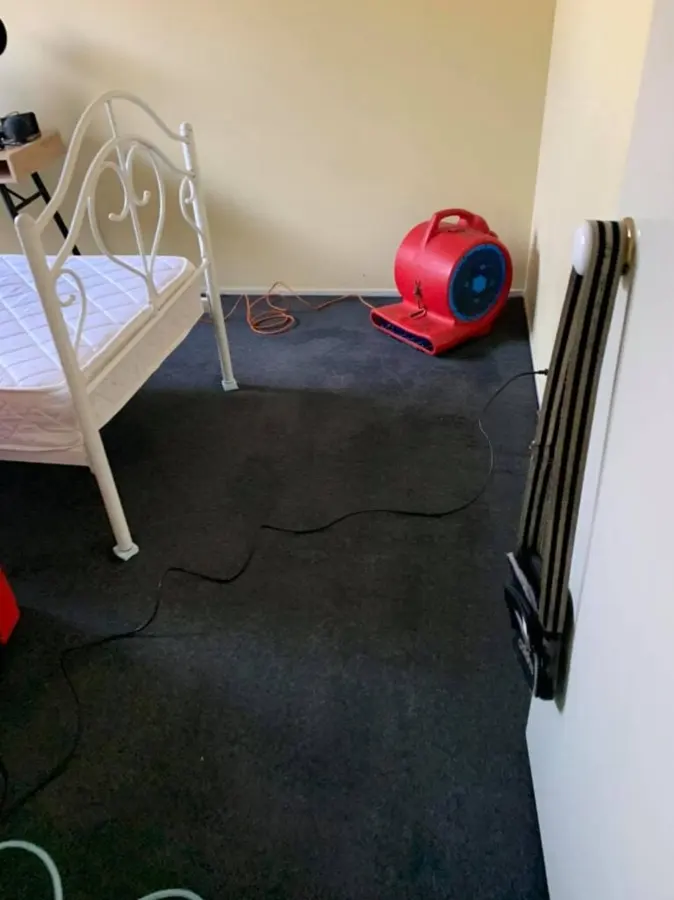
Water damage services for local homes
Sixteen services cover the water problems that turn up most in local homes and businesses, from frozen pipes and ice dams to sewage backups and commercial losses, each handled with moisture mapping and daily drying logs.
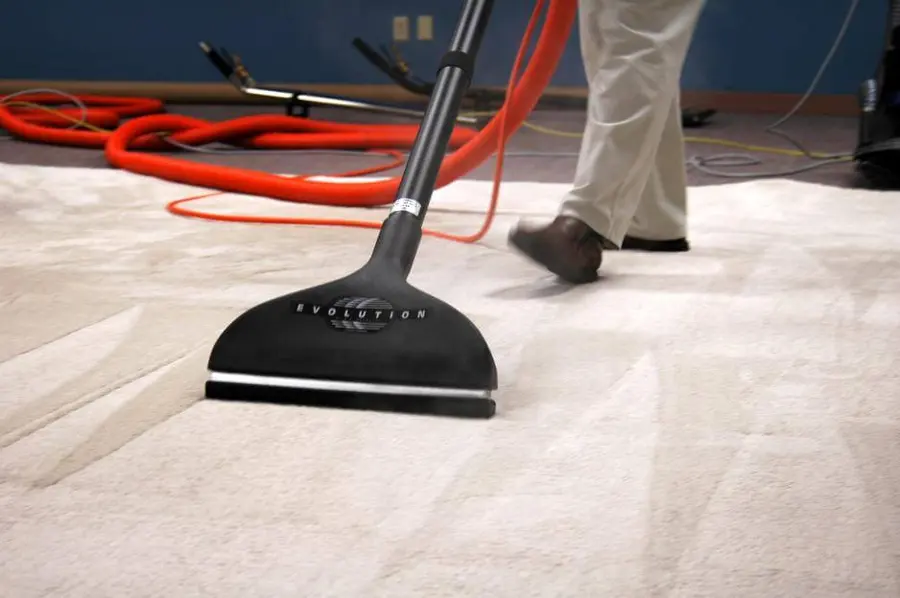 Water Extraction and RemovalTruck-mounted and portable extractors pull standing water from floors, carpet and basements before it can soak into the structure.Service details
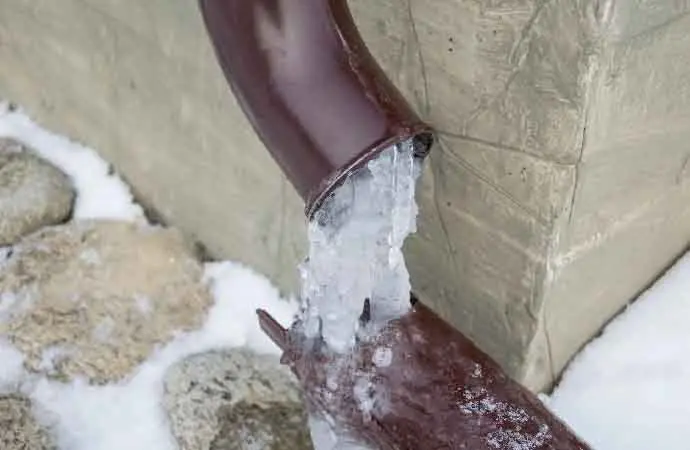 Frozen Pipe Water DamageA pipe that split in a cold snap floods when it thaws. The crew extracts the water and dries the wall cavity.Service details
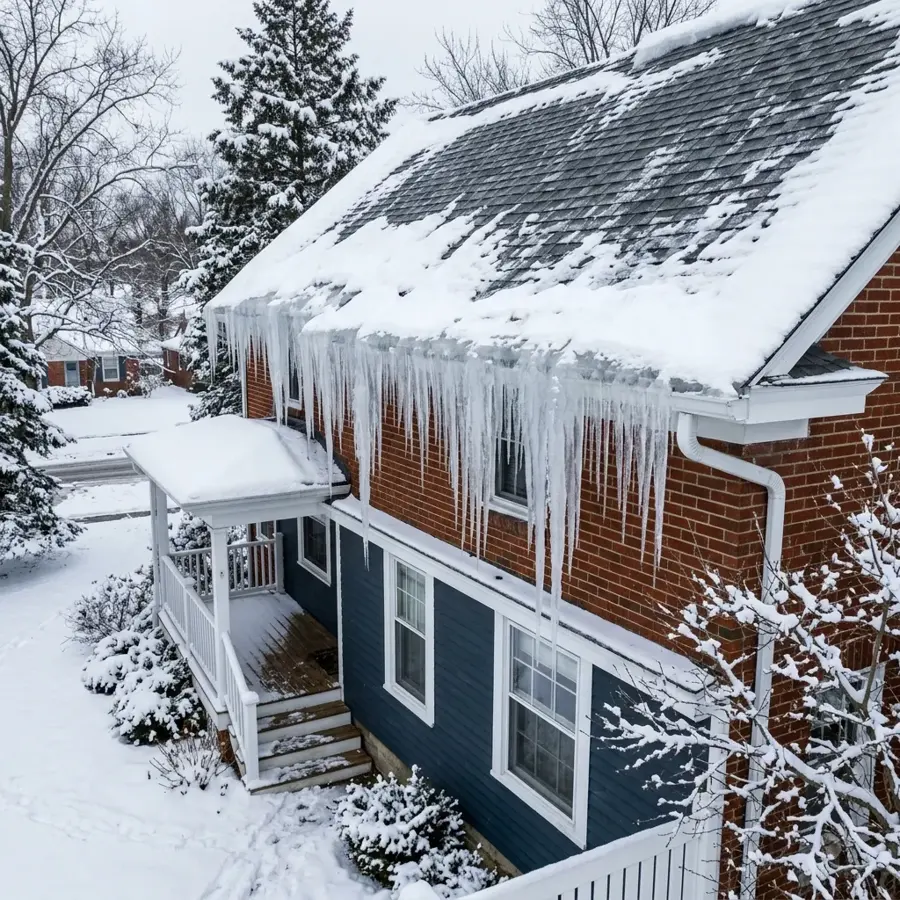 Ice Dam Water DamageMeltwater trapped behind an ice dam seeps past the eave into ceilings and walls, where wet insulation holds it against the framing.Service details
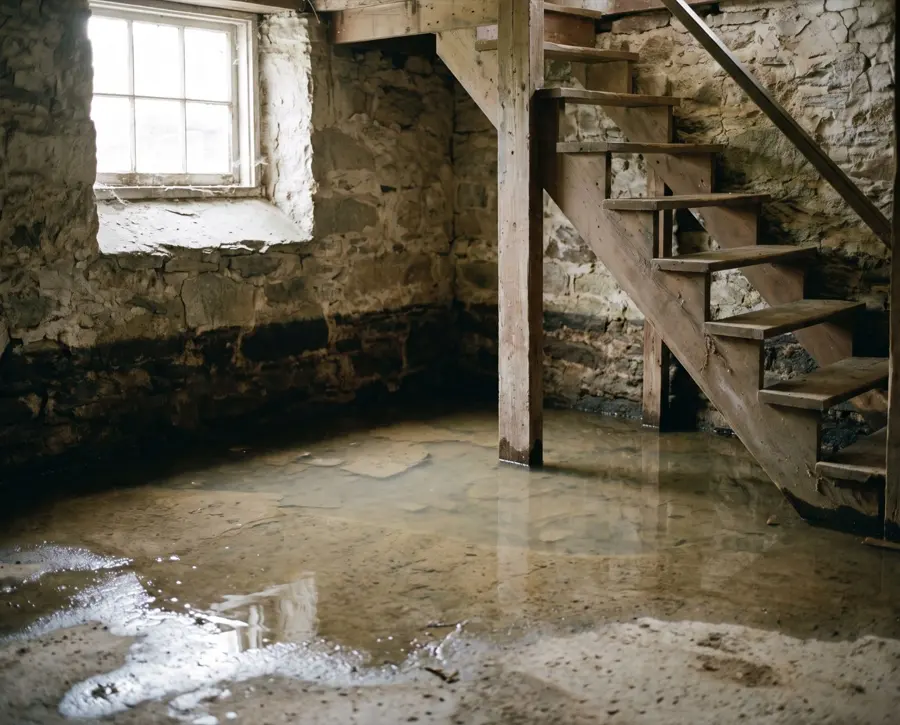 Basement Flooding CleanupFrom a few inches on a slab to a finished basement under water, pumps, extraction and dehumidification clear the space and dry the walls.Service details
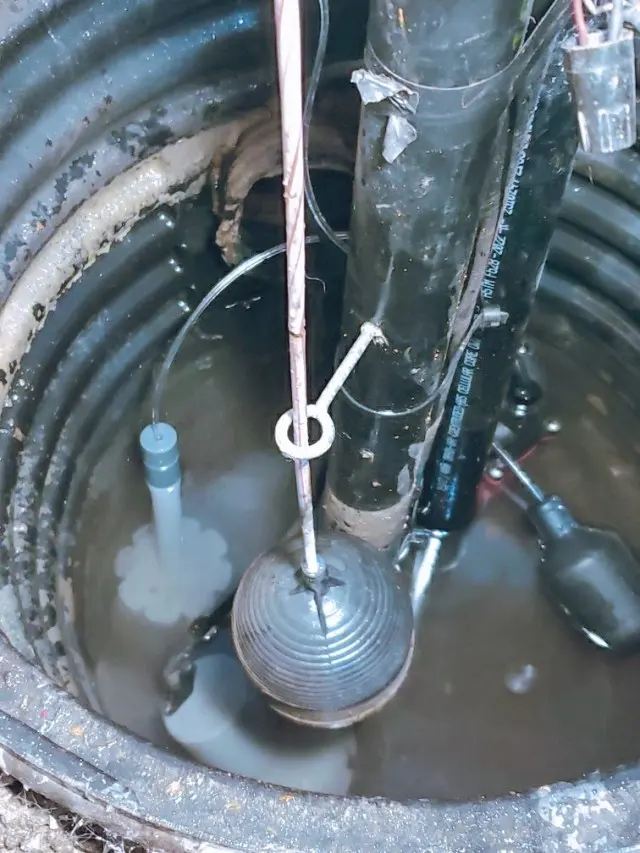 Sump Pump Failure CleanupWhen a sump pump fails or cannot keep up, the basement fills fast. The crew removes the water and dries slab, walls and storage.Service details
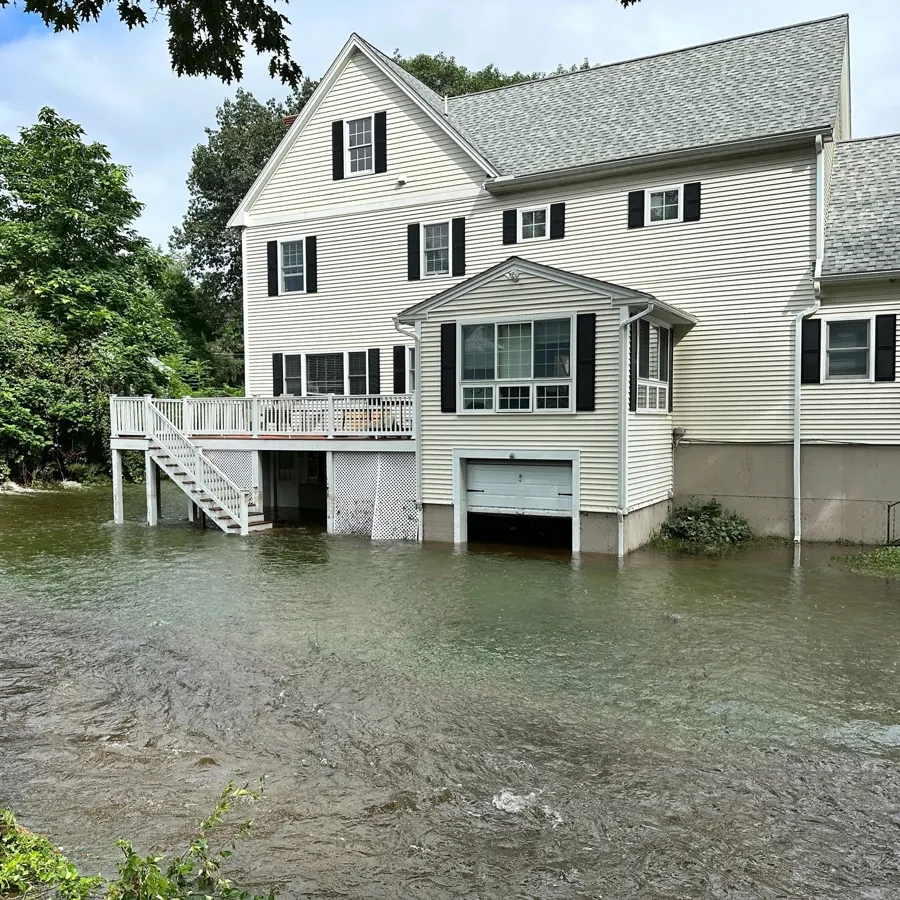 Flood Water CleanupRiver and runoff flooding carries silt and bacteria into a home. Cleanup covers pump-out, removal of porous finishes, disinfection and drying.Service details
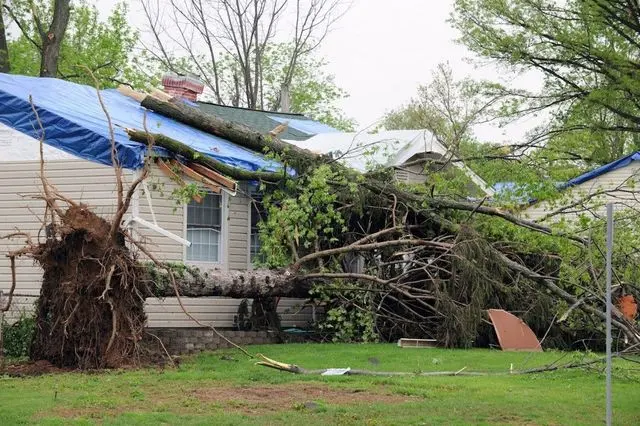 Storm Water DamageWind-driven rain, failed flashing and fallen limbs let storm water into walls and ceilings. The team dries what the weather soaked.Service details
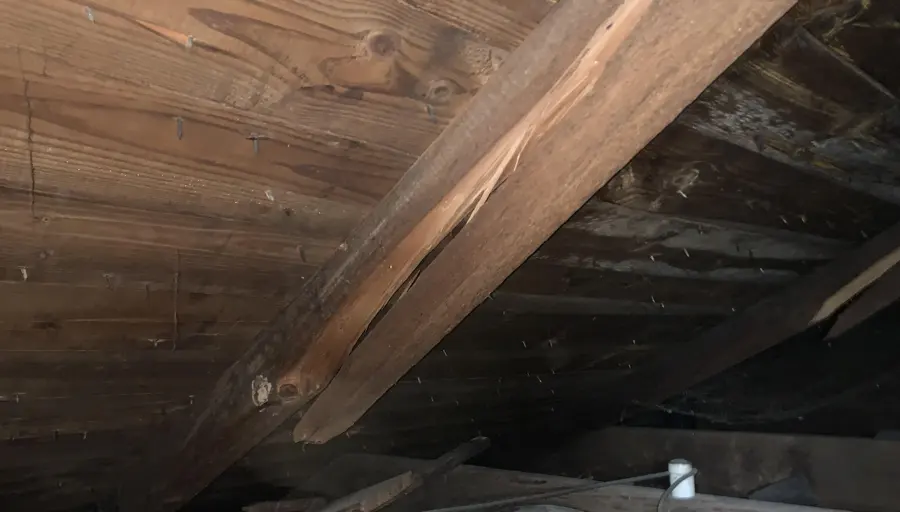 Roof Leak Water DamageA roof leak soaks insulation and sheathing long before a stain appears. The crew finds the wet areas and dries the attic and ceilings.Service details
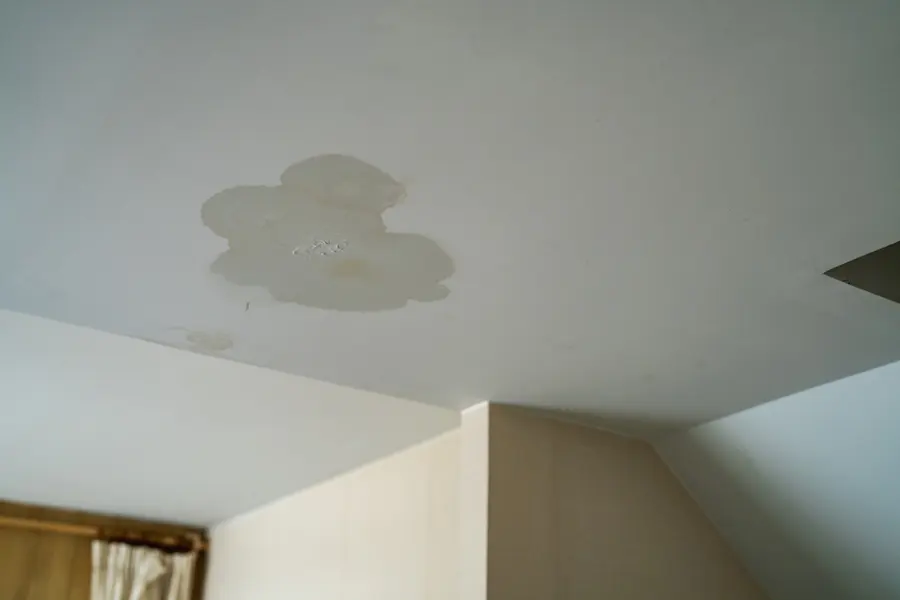 Ceiling Leak Water DamageWater pooling above a ceiling can come from the roof, a bathroom or a unit upstairs. Drying covers the joist bays, drywall and rooms below.Service details
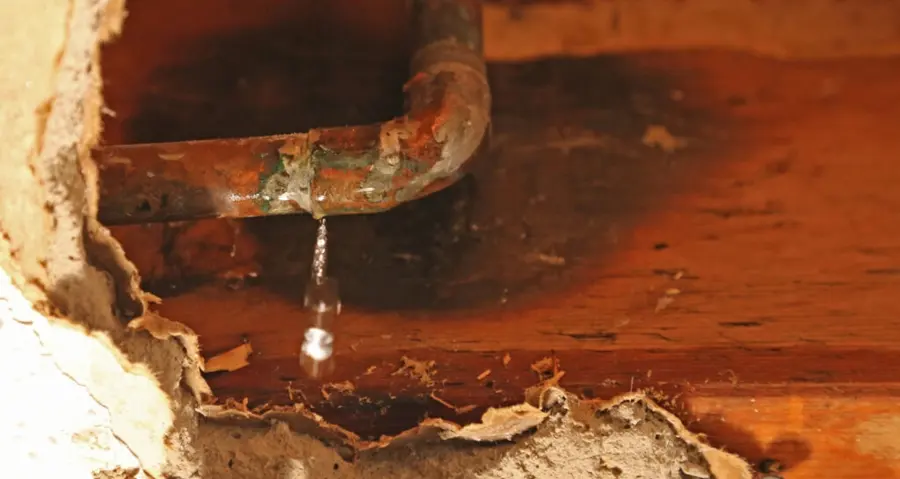 Burst Pipe Water DamageA burst supply pipe sends clean water through floors and ceilings until the valve is shut. The crew extracts it and dries every wet layer.Service details
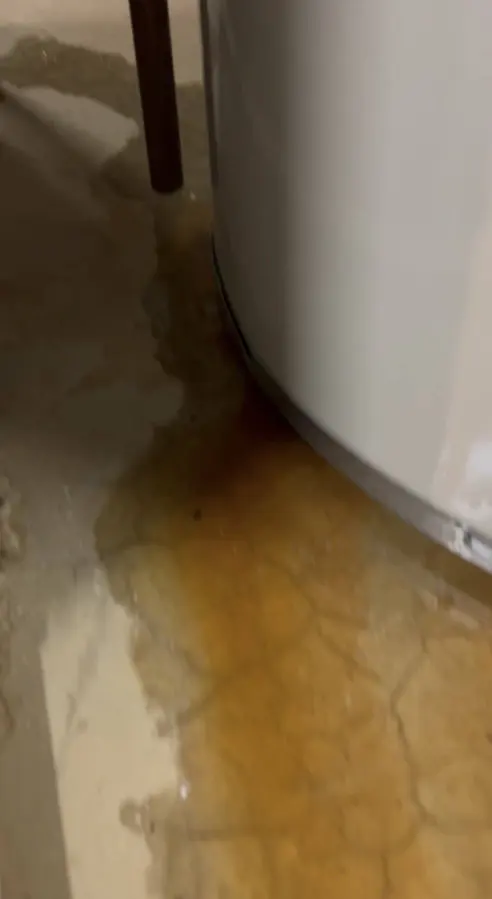 Water Heater Leak CleanupA failed tank can empty itself across a basement slab or an upper-floor closet. The crew extracts the water and dries slab, framing and ceilings below.Service details
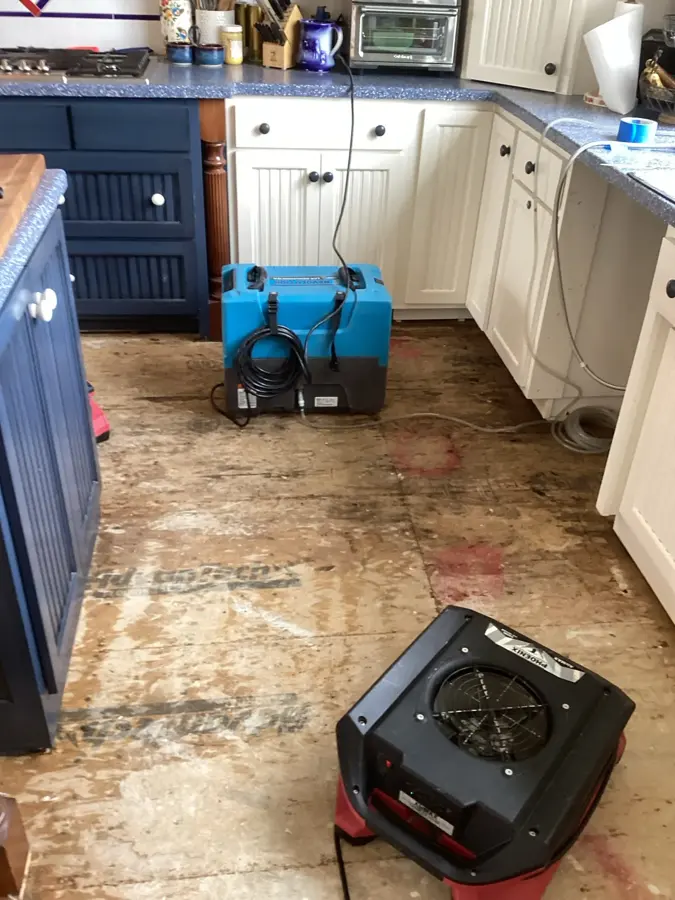 Appliance and Supply Hose LeaksWashers, dishwashers, ice makers and cracked supply hoses can leak under floors and cabinets for weeks unseen. Drying reaches the subfloor.Service details
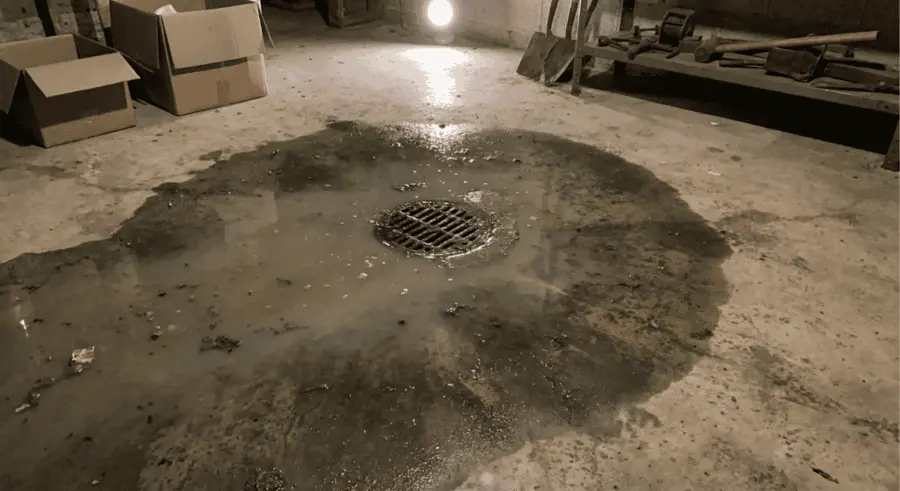 Sewage Backup CleanupA sewage backup calls for containment, careful removal of contaminated materials and disinfection before any drying begins.Service details
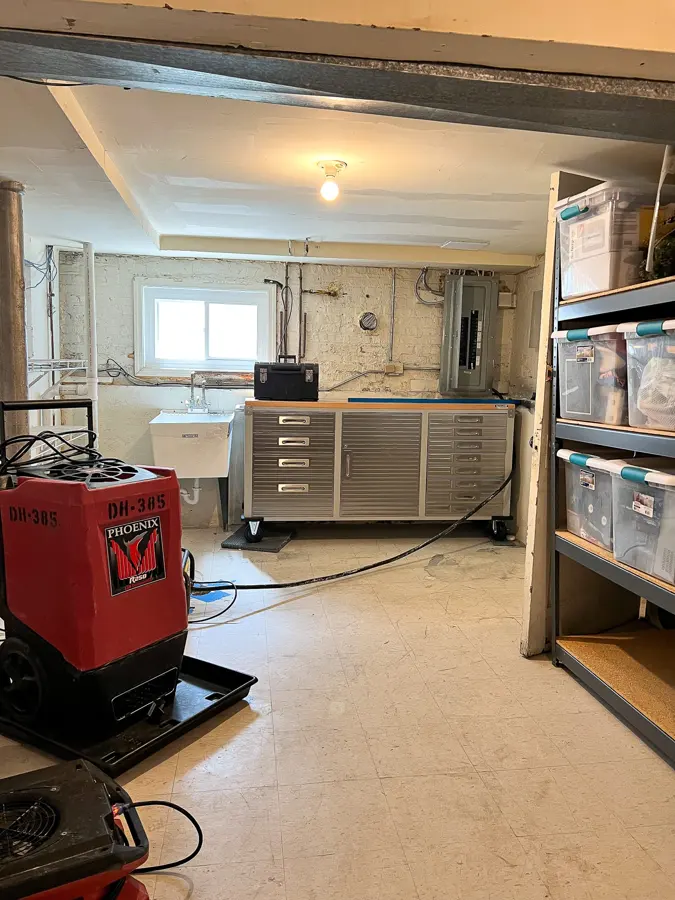 Structural Drying and DehumidificationAir movers, dehumidifiers and moisture meters dry framing, subfloors and plaster to a measured standard, with logs for the insurance file.Service details
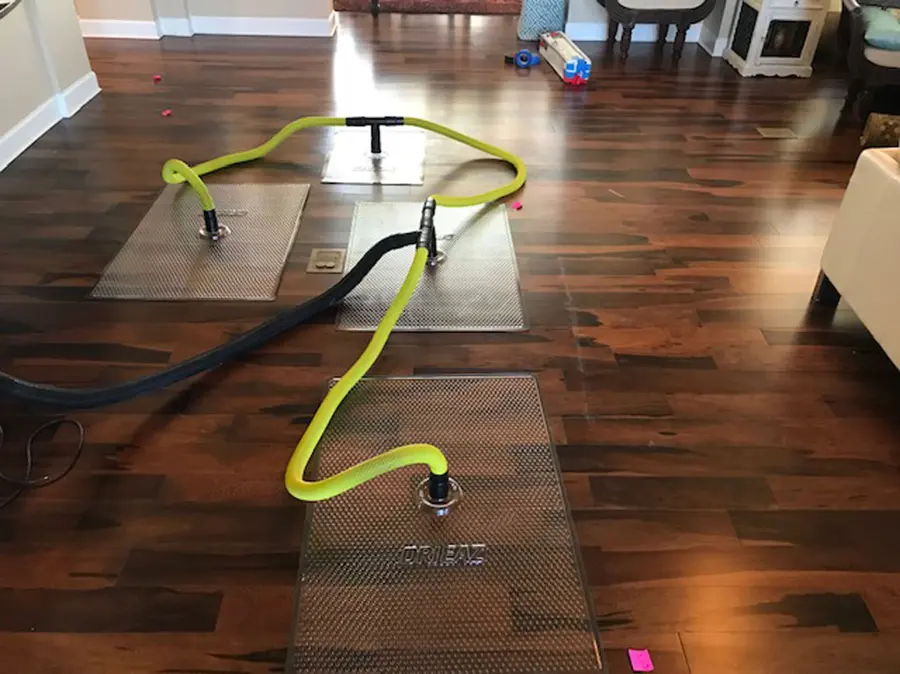 Hardwood Floor DryingMats, panels and dehumidifiers pull moisture out of wet hardwood before the boards cup or buckle, which often saves the floor.Service details
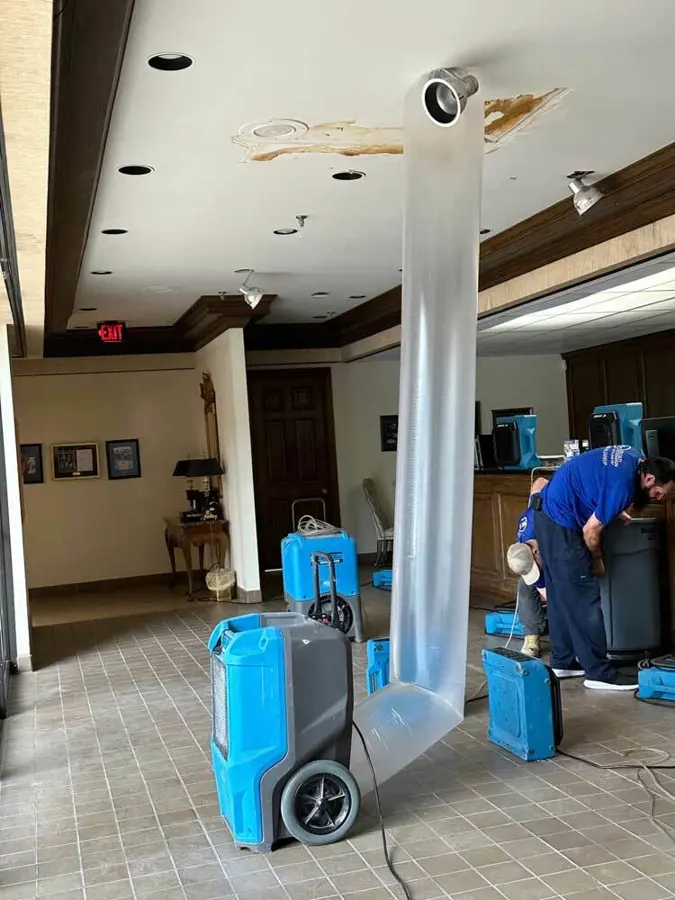 Commercial Water DamageOffices, shops and warehouses get phased drying, containment between occupied areas and a detailed loss file for the claim.Service details
What to do right after water gets in
The first moves are simple and they limit the damage. Make the water stop, make the house safe, and record the loss before anything gets moved or thrown out.
Stop the source Close the fixture valve, or the main shutoff if the source is unclear. Cut power to wet rooms only if the panel is dry.
Keep people safe Stay out of rooms with sagging ceilings or standing water near outlets, and keep children and pets away from sewage or flood water.
Photograph everything Take wide and close photos of the damage, the source and any wet belongings before anything moves. Dated pictures support the claim later.
Lift what you can Raise rugs, cushions and cardboard boxes off wet floors, and set aluminum foil under furniture legs. Leave soaked drywall and flooring for the crew.
Call the drying team Describe what failed, where the water went and how long it ran. That tells the crew which equipment to bring before the truck leaves.
Wet and unsure what to do?
Describe the leak to the response team and hear plainly what can be dried in place and what has to come out before moisture spreads inside the walls.
(888) 670-6527Tell the crew what happenedDrying that follows measured moisture readings
Every job starts with readings, not guesses. The restoration team maps where the moisture went, sets equipment to match the materials and rechecks the walls until they read dry.
Map the moisture
Thermal imaging and meter readings trace the water through walls, floors and ceilings, so the drying plan covers what the eye cannot see.
Extract and open up
Extractors lift the standing water, then any wet drywall, insulation or pad that cannot dry in place is cut out and bagged.
Dry the structure
Air movers and dehumidifiers run together, pulling moisture out of framing and subfloors while the air stays dry enough to keep drying going.
Log and confirm
Readings are logged each visit and the equipment stays until the materials reach their dry standard. The log goes into the claim file.
Where the crews work across town
ZIP code covered
Crews reach every village and main route
Crews work in all four villages and on both sides of the Merrimack River, from the Village at the Main Street crossing to the retail and housing areas at the south end of town.
A loss in a housing development, an older home or a unit in a retail building gets the same moisture mapping and drying plan.
Hooksett, NH · [email protected]
See every water damage service ›
Ask about your addressAreas and corridors
Nearby towns
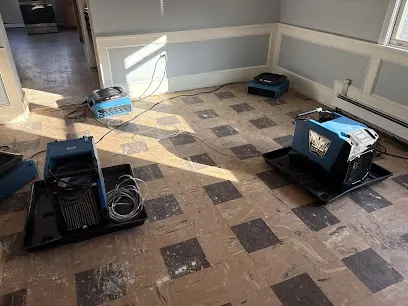
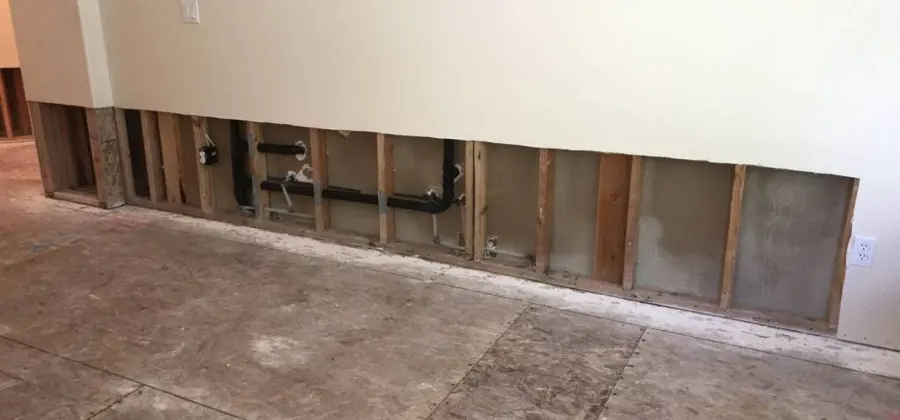
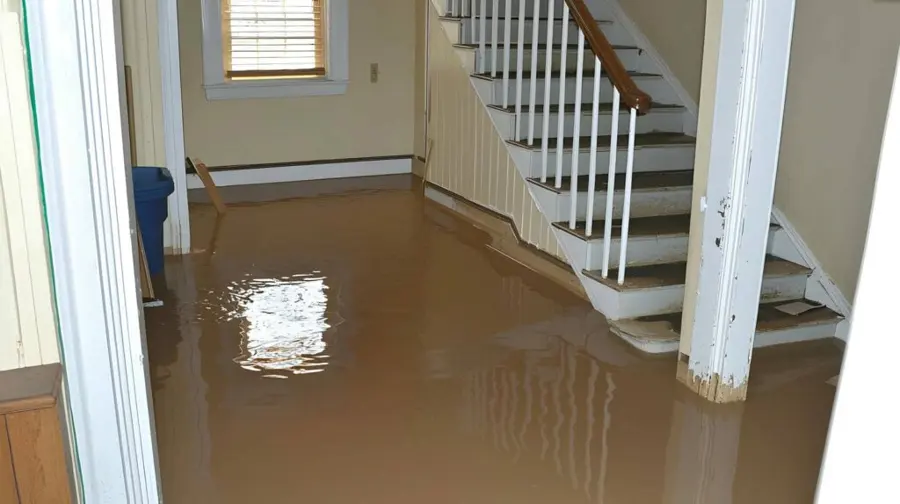
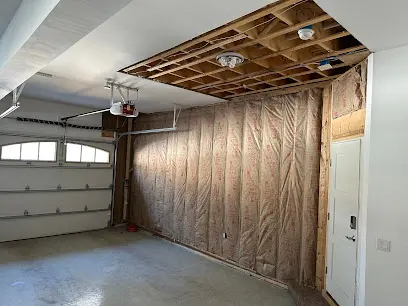
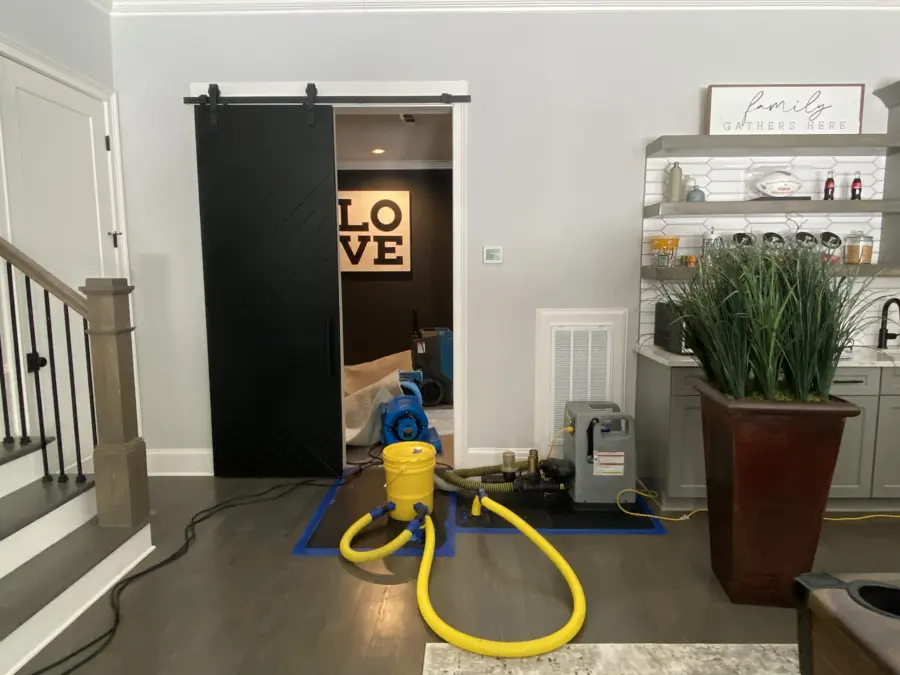
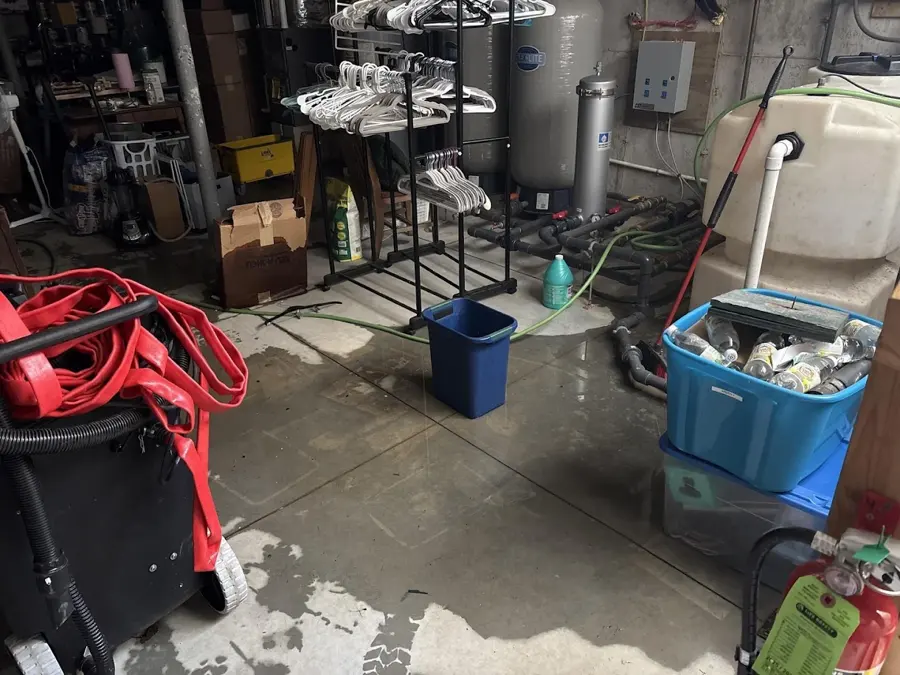
Drying equipment and wet-structure work in the field
Local crews that know cold-climate losses
Prompt local response
Local crews know the town's roads and housing, so a flooded basement or leaking ceiling gets an equipment plan from the first conversation.
Equipment sized to the job
A bedroom, a finished basement and a retail unit need different pumps, air movers and dehumidifiers, and the drying plan is built around each.
Claim-ready documentation
Photos, moisture readings and drying logs are kept in order, so an adjuster can follow the loss from the first photo to the final reading.
Cold-climate know-how
Water follows framing, wiring and plumbing chases, so the crew checks wall cavities and floors below the visible damage, not just the stain.
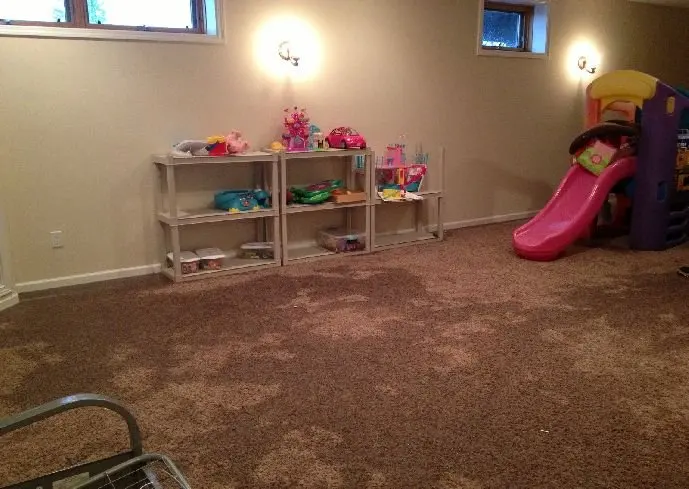
Water losses here follow the seasons, with frozen pipes, ice dams and spring runoff. A team used to those patterns knows where moisture hides and how to dry it.
Three kinds of water, three different jobs
Clean water
A split supply pipe or failed water heater releases clean water, but it will not stay clean long. Fast extraction keeps it from turning gray.
Burst pipe cleanupGray water
Washing machines, dishwashers and overflowing sinks release gray water carrying soap and food residue. It needs prompt removal because it worsens as it sits.
Appliance leak cleanupBlack water
Sewage backups and river flood water carry bacteria and are never safe to handle. Containment, removal of porous materials and disinfection are part of the job.
Sewage backup cleanupWhat water damage restoration usually costs
Most losses land between $1,200 and $9,000, depending on how far the water spread and what it soaked. Clean water caught early stays near the low end, while a flooded basement or sewage loss climbs toward $25,000.
- One room or one wall wet
- Extraction and air movers
- Little or no tear-out needed
- Water across a full level of the home
- Wet drywall and pad removed
- Dehumidifiers for several days
- Basement or Category 3 water
- Containment and disinfection
- Porous finishes fully removed
Final pricing depends on the water category, the materials involved and the days of drying the readings call for. Larger jobs are covered under flood water cleanup and sewage backup cleanup.
Working with your insurance claim
Most homeowner policies cover sudden water damage, such as a burst pipe, and exclude slow leaks or river flooding. The restoration team documents the loss in the form adjusters expect.
- Photos of the damage and the source before cleanup starts
- Moisture readings from the first visit and every visit after
- A list of damaged belongings, with age and price if known
- The scope of work, the equipment used and the days of drying
- Receipts for any repairs made to stop further damage
Handling the claim yourself
Report the loss to the insurer as soon as the water is stopped, and ask what the policy says about mitigation. Most policies expect the owner to prevent further damage.
Keep every receipt and written scope. If the insurer sends an adjuster, share the photos and drying log, and ask for the decision in writing before major rebuild work starts.
What drives water damage in town
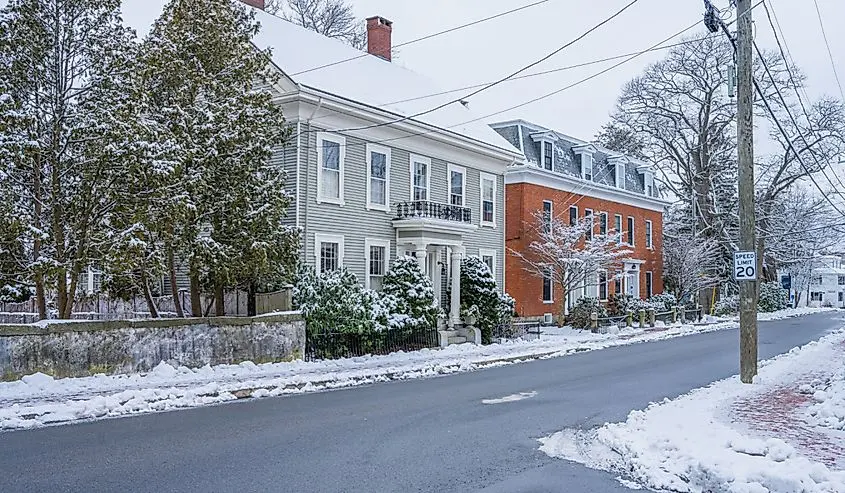
The Merrimack River runs through Hooksett from north to south and practically divides the town in half. River history, winter cold and a broad mix of housing all shape the water damage found here.
March 1936: The New England States Emergency Consortium reports that the spring floods left the main street of Hooksett under 18 to 20 feet of water, and the southern span of the bridge collapsed into the river.
Merrimack River flooding
The 1936 flood shows what the river can do in a wet spring, and low ground near the water deserves attention.
Mapped flood zones
Land in FEMA Zone A or Zone AE has a one percent chance of flooding each year and falls under the Floodplain Development Ordinance.
Deep cold
Concord's lows fall below zero on roughly 15 nights each year, and pipes in exterior walls and unheated spaces face the worst of it.
Winter thaws
From December to February, Concord logs between one and three days each month at 50 degrees or higher, so thawing pipes release water at once.
Older housing
The town has 476 homes built in 1939 or earlier and 637 from 2010 or later, so drying covers old framing and new.
Condos and rentals
With 1,195 condos and 1,230 rental properties, a leak can start in a neighboring unit, and ownership affects who handles repairs.
Common water damage questions
Still have a question?
Describe the damage and get a straight answer about drying, cost and what the claim needs.
(888) 670-6527 Ask the drying teamWhat kinds of water damage get handled?
Burst and frozen pipes, basement flooding, sump pump failures, ice dam and roof leaks, appliance and water heater leaks, storm water, sewage backups and commercial losses are all covered, each with its own drying plan.
How long does drying take?
Most structural drying runs three to five days, and plaster, hardwood or concrete can take longer. The crew checks readings each visit and removes equipment only when the materials reach their dry standard.
Can wet carpet and drywall be saved?
Clean water caught early often lets carpet, pad and drywall dry in place. After about 24 to 48 hours, or with gray or black water, porous materials usually have to come out. Moisture readings settle each case.
Does homeowners insurance cover this?
Sudden events like a burst pipe or appliance failure are usually covered, while slow leaks and rising river water usually are not. River flooding falls under the National Flood Insurance Program or a private flood policy.
Who handles a sewage backup?
The owner pays to maintain the building sewer from the building wall to the public sewer, and the Hooksett Sewer Commission says it is not responsible for backup damage. The restoration team handles the cleanup, and a backwater valve is required on sewer services installed after 1985.
Where can sump pump water go?
Town ordinance bars placing pumped water on a public way or sidewalk without written permission, and the sewer rules bar sending groundwater or foundation drainage to the sanitary sewer. Discharge needs a plan.
What if a pipe freezes?
Shut off the water, open a nearby faucet and let the pipe thaw gently with indoor warmth. Never force heat onto it. If it has already split, extraction and cavity drying should start as soon as possible.
Do flood maps matter for a claim?
Land in FEMA Zones A and AE falls under the Floodplain Development Ordinance, and damage costing 50% or more of a structure's market value counts as substantial. The town's Code Enforcement and Building Office has maps available to the public.
What does the drying team document?
Photos, a sketch of the affected rooms, daily moisture readings, equipment counts and a written scope. Those records let an adjuster verify what was done and why, and they help the plumber and contractor see what was wet.
Are commercial buildings handled too?
Yes. Retail units, offices and industrial buildings, from the Exit 10 area on NH 3A to the industrial parks, get phased drying and containment under commercial water damage so occupied areas can keep running.
Water in the house? Start drying before the damage spreads.
The crew maps the moisture, removes the water and documents each step so the claim and the repairs can move forward.
(888) 670-6527Start your drying plan