Burst Pipe Water Damage in Bow, NH
A supply pipe that splits can flood a floor quickly and soak the ceiling below. The Bow response team extracts the water, opens the wet cavities and dries every level the water reached.
(888) 670-6527Call about a burst pipe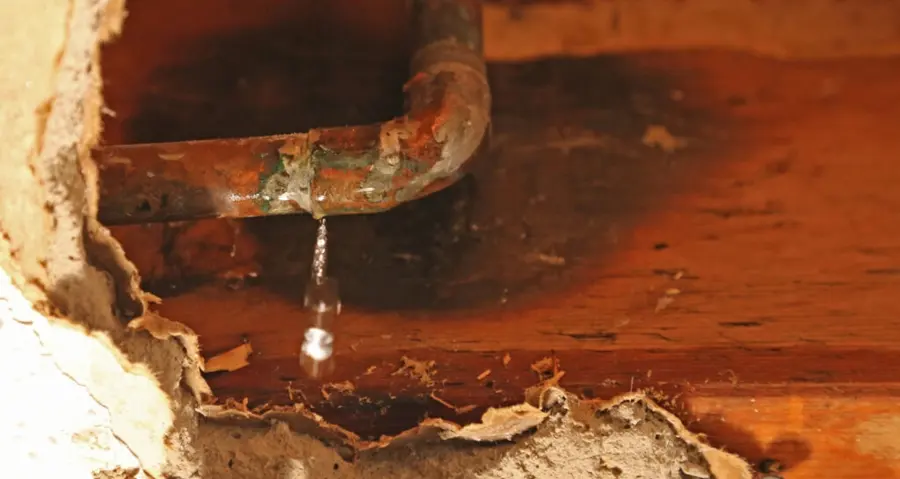
First steps for burst pipe water damage in Bow
A burst supply pipe can release gallons every minute, so the difference between a cleanup and a rebuild is how fast the water stops. The crew works from the shut-off valve outward, because every minute of flow adds to the wet area.
Shut off the water Close the main valve, then open a low faucet to drain the pipes and relieve pressure.
Kill power if needed If water is near outlets, a panel or a wet ceiling fixture, switch off the breaker from a dry location.
Photograph the failure Record the split pipe, the wet floors and ceilings and any damaged belongings before cleanup starts.
Call the crew Say how long the pipe ran, which floors are wet and whether a ceiling is sagging below.
Do not wait for a plumber
Closing the main valve is quick, and it stops the loss at once. A plumber can repair the pipe afterward.
(888) 670-6527Ask about the shut-offHow the Bow restoration team handles burst pipe water damage
Rapid local response
Dispatch runs around the clock, and active water is treated as urgent at any hour, weekends and holidays included.
IICRC S500 drying standard
Structural drying, not surface drying: air movers and LGR dehumidifiers sized to the class of loss, checked with daily readings.
Claim-ready documentation
Moisture maps, daily psychrometric logs and timestamped photos taken before any demolition go into the claim file.
Cold-climate know-how
Frozen pipes, ice dams, snowmelt in older stone basements and spring river flooding set how a home here gets wet.
What does burst pipe water damage cost in Bow, NH?
Burst pipe damage runs from $1,000 when it was caught fast to $20,000 when the pipe ran for hours through more than one level. How long the water flowed matters more than the size of the pipe.
- One room or one wall
- Extraction and cavity drying
- Little or no removal needed
- Water across a floor or ceiling
- Drywall and insulation removed
- Many days of drying
- Water through more than one level
- Flooring and ceilings removed
- Extended drying and monitoring
Documentation for your insurance claim
The restoration team builds the claim file: a moisture map, daily drying logs, timestamped photos before demolition and a line-item scope. A sudden pipe or appliance leak is usually a homeowners claim; rising flood water usually needs a flood policy. Coverage depends on your policy, so check with your own insurer.
Ranges are typical, not a quote: water category, square footage, material class and how fast drying started move the number most. Run the water damage cost calculator for a closer range.
How burst pipe water damage is handled in Bow
The tech who does the walkthrough maps moisture before any equipment goes down, so the drying plan matches what is actually wet. Equipment stays until the readings say dry, not until it looks dry.
Stop and extract
The shut-off is confirmed and standing water is removed from floors and low cavities.
Open and sort
Wet drywall, insulation and flooring are removed or opened based on meter and camera readings.
Dry every level
Air movers and dehumidifiers dry walls, floors and ceilings, with daily readings logged.
File and release
Documentation goes to the adjuster, and the plumber and rebuilders are cleared to start repairs.
What makes a pipe let go
Freezing is the best-known cause, and Concord area lows fall under 0 F on roughly 15 nights a year. Wear, a failed fitting or a pressure spike can also open a pipe in mild weather, so a burst in July is as real as one in January.
- Ice expansion inside a closed pipe
- A failed coupling or fitting
- Corrosion or a worn section
- Water hammer from a fast-closing valve
When the house sat empty
A pipe that bursts while a family is away can run for a long time. The February 1978 snowstorm left residents three days without electricity, water, light or heat, a reminder of how quickly a house chills and how long a failure can go unnoticed.
What the crew does first
The team confirms the water is off, extracts standing water and checks the ceiling below for bulging. It then opens wet walls and cuts back soaked flooring, using meters and a thermal camera to separate wet material from dry. A plumber repairs the pipe, and the drying work is scheduled around that visit.
- Water shut off and the source isolated
- Extraction from floors and low cavities
- Wet drywall and insulation opened and removed
Documenting a sudden loss
A burst pipe is a classic sudden loss for insurance. Photograph the failure, keep the broken section if the plumber can spare it and ask the adjuster what records are needed. Records from the National Weather Service can show a hard freeze, and FEMA recovery pages help with larger events. See frozen pipe cleanup for freeze-driven failures.
Burst pipe water damage across Bow and nearby towns
Burst pipe work reaches every part of town, from the hill roads and Bow Center to homes beside the river, and includes vacation or seasonal homes where a failure ran unseen.
The same service nearby: burst pipe water damage in Concord, Pembroke, Hooksett.
Burst Pipe Water Damage questions in Bow, NH
Water still spreading?
Water running from a split pipe or soaking through a ceiling? Shut off the main, then call.
(888) 670-6527 Ask about the burst pipeHow fast does a burst pipe cause lasting damage?
Drywall and flooring start soaking up water right away, and framing follows. Fast shut-off and extraction in the first day or two keep the removal area small.
Can water travel to rooms far from the burst?
Yes. Water follows framing, pipe chases and ductwork, so a failure in one wall can wet a ceiling and the walls of a neighboring room.
What should be kept for the insurance claim?
Photos, the broken pipe section, repair receipts and the moisture logs. These show the loss was sudden and document each material that was removed.
Is it safe to stay home during drying?
Usually yes for a clean-water loss, though the noise and heat from equipment take getting used to. The crew names any rooms to avoid until readings are normal.
Does a mild winter mean fewer burst pipes?
Not necessarily. Pipes fail from pressure, wear and fittings as well as freezing, and a warm spell after a cold snap can reveal a crack that formed earlier.
Who repairs the pipe?
A plumber repairs it. The drying team documents the failure and times its work around the repair so walls are not closed over a damp cavity.
A burst pipe floods more of the house with every minute
Say how long the water ran and which floors are wet.
(888) 670-6527Report the pipe failure