Water Extraction and Removal in Weare, NH
Standing water soaks into drywall, subfloors and framing the longer it sits. The extraction crew pulls it out first, then sets the drying equipment that finishes the job.
(888) 670-6527Call for water removal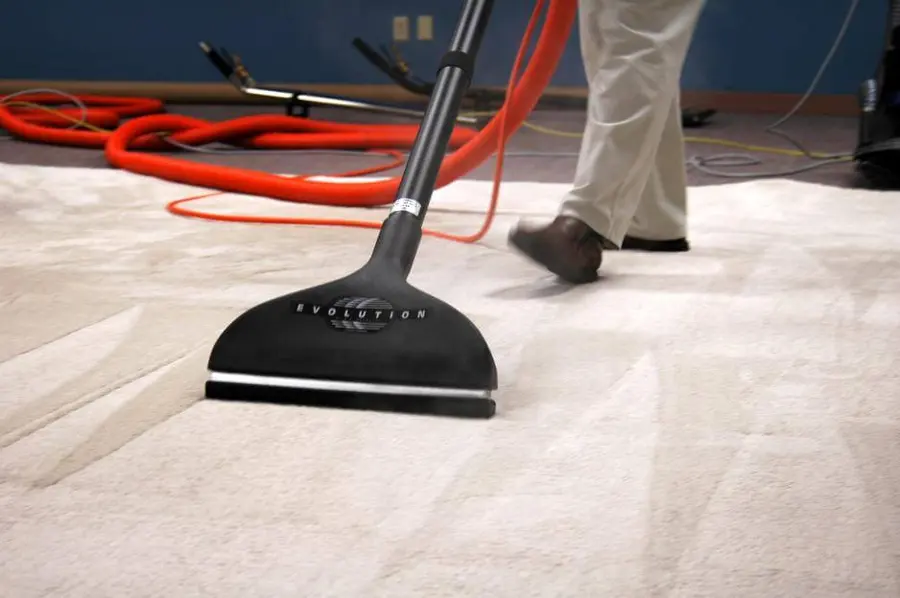
First steps for water extraction and removal in Weare
Water extraction is the first job on almost every flood call in Weare, because each extra hour of standing water pushes moisture deeper into carpet pad, drywall and framing. Pulling it out quickly shortens the drying and keeps more of the house in place.
Shut off the source Close the main valve or the well pump breaker if a pipe is running, and keep clear of any outlet touched by water.
Stay off wet floors Wet carpet over concrete is slippery, and standing water near outlets can carry current into the room.
Photograph the depth Take pictures of the water level and the damaged items before anything is moved, for the insurance claim.
Call for extraction Give the road, the water source and the depth so pumps and extractors are loaded before the drive.
Water coming from outside?
If water is entering from the yard, a basement should not be emptied at once. Pumping in stages protects the walls while the ground is saturated.
(888) 670-6527Ask about staged pump-outHow the Weare restoration team handles water extraction and removal
Rapid local response
Dispatch runs around the clock, and active water is treated as urgent at any hour, weekends and holidays included.
IICRC S500 drying standard
Structural drying, not surface drying: air movers and LGR dehumidifiers sized to the class of loss, checked with daily readings.
Claim-ready documentation
Moisture maps, daily psychrometric logs and timestamped photos taken before any demolition go into the claim file.
Cold-climate know-how
Frozen pipes, ice dams, snowmelt in older stone basements and spring river flooding set how a home here gets wet.
What does water extraction and removal cost in Weare, NH?
Water extraction usually costs between $400 and $8,000, depending on how many rooms are wet and whether the water is clean or contaminated. A single room caught early sits at the low end.
- One wet room on a slab or floor
- Portable extraction wands
- Pad saved when possible
- Water across a floor or basement
- Truck-mounted extractors running
- Wet pad cut out
- Deep or contaminated water
- Pumps first, then extraction
- Removal and sanitizing
Documentation for your insurance claim
The restoration team builds the claim file: a moisture map, daily drying logs, timestamped photos before demolition and a line-item scope. A sudden pipe or appliance leak is usually a homeowners claim; rising flood water usually needs a flood policy. Coverage depends on your policy, so check with your own insurer.
Ranges are typical, not a quote: water category, square footage, material class and how fast drying started move the number most. Run the water damage cost calculator for a closer range.
How water extraction and removal is handled in Weare
The tech who does the walkthrough maps moisture before any equipment goes down, so the drying plan matches what is actually wet. Equipment stays until the readings say dry, not until it looks dry.
Assess the depth
Crew members check how deep the water is, where it came from and which materials it touched, then choose pumps or extractors.
Pump and extract
Submersible pumps take the bulk, then wand and truck-mounted extractors lift water out of carpet, pad and grout.
Remove soaked pad
Pad and trim that cannot dry in place are cut out and bagged, so the floor beneath can breathe.
Hand off to drying
Dehumidifiers and air movers go in, and readings confirm where moisture remains.
Where the standing water comes from
Spring snowmelt and heavy rain are the usual triggers here. The town's 2018 hazard mitigation plan says big floods typically arrive in spring, though thunderstorms and hurricanes can flood the area at any time of year.
- Basement water from groundwater or a stalled sump pump
- A washing machine or water heater that lets go
- A supply pipe that splits inside a wall or ceiling
- Rain pushed in around doors and windows
How the extraction is done
The crew starts with the deepest water, using submersible pumps when the depth allows and truck-mounted extractors for everything after that. Wand tools lift water out of carpet and pad, and moisture meters then show whether the pad can stay or has to go. Hard floors get squeegees and hand tools so nothing is left standing in the seams.
What changes the extraction plan
Depth, water category and the materials underneath decide the equipment and the size of the crew. Clean water from a split pipe is the simplest case. Water that has touched soil, a septic tank or a flooded yard is contaminated, so it is contained, extracted separately and followed by sanitizing. The National Weather Service flood watches often give the first warning.
- Water more than a few inches deep calls for pumps before extraction starts
- Carpet over a cushioned pad holds far more water than it shows
- A flooded garage or crawl area often needs hoses run out through a door
After the water is gone
Extraction removes the bulk, but wet framing and slabs still hold moisture that readings can find. The team sets dehumidifiers and air movers next, folds the job into structural drying and logs readings until every surface is dry. The same service in the main city is described at water extraction in Concord.
Water extraction and removal across Weare and nearby towns
Extraction runs throughout town, from Chase Village and Riverdale to Clinton Grove, Tavern Village, the three state routes and the lake roads near Daniels Lake and Lake Horace.
The same service nearby: water extraction and removal in Concord, Hopkinton, Bow.
Water Extraction and Removal questions in Weare, NH
Water still spreading?
Standing water in the house? Describe it and the crew will plan the pumps and extractors.
(888) 670-6527 Request water extractionHow long does water extraction take?
A single room often takes a few hours, while a deep basement can need a full visit or more because the pumping is staged. Larger jobs run longer than small ones.
Can wet carpet be saved after extraction?
Carpet often can be, particularly when the water was clean and found fast. The pad underneath is usually replaced, since it holds water and dries slowly even with strong airflow.
Is a shop vacuum safe on standing water?
Household and shop vacuums are rated for light spills, and pulling water through them near wet cords adds risk. Extraction crews use equipment built for wet work.
Why does water category change the plan?
Clean water from a supply pipe is handled differently from gray water out of appliances or black water from sewage or flooding. Higher categories mean containment, protective gear and more removal.
Do homes on private wells need anything different?
Pump power is the main difference. The pump breaker acts as the supply shutoff, and after flooding a well may need testing before the household drinks from it.
Does the extraction price include drying?
Extraction is priced as its own step, and drying is added when walls and floors still read wet. The written scope lists both so the full job is clear.
Get the standing water out before it soaks the framing
Pumps and extractors are loaded for the depth and the materials involved.
(888) 670-6527Call for extraction now