Water Extraction in Hopkinton, NH
Standing water in a Hopkinton house can come from a leak overhead or the Contoocook River below. The extraction crew pulls it out fast so framing and floors have less time to soak.
(888) 670-6527Send an extraction crew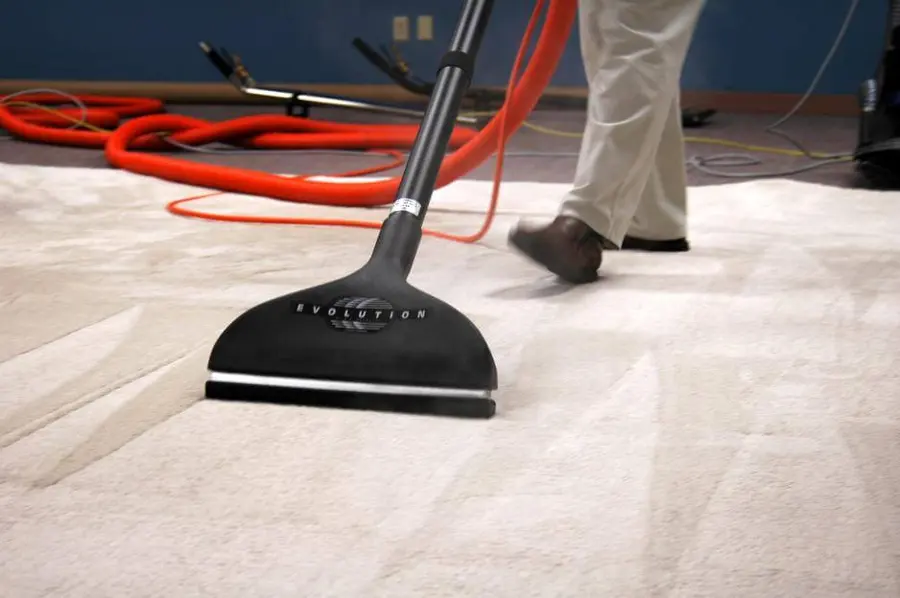
First steps for water extraction and removal in Hopkinton
Extraction is the first real step after a water loss, and it decides how much drying follows. In Hopkinton, the water might come from a split supply pipe, a failed sump or a river that has flooded Contoocook before. The crew removes it from the surface and from inside the materials.
Shut off the source Close the main or the fixture valve. If the water came from the river or a drain, stay out and keep power off in wet areas.
Photograph first Take photos of the water level, the damaged belongings and the likely source before anything gets moved.
Lift valuables up Move electronics, papers and small furniture to dry ground and prop up loose cushions and rugs.
Reach the crew early Report the loss as soon as it is safe, since wet carpet and drywall begin to break down within a day or two.
Water from the river?
Treat it as Category 3. Keep people and pets away, wear boots and gloves if you go in, and leave the removal of soaked items to crews.
(888) 670-6527Ask about flood extractionHow the Hopkinton restoration team handles water extraction and removal
Rapid local response
Dispatch runs around the clock, and active water is treated as urgent at any hour, weekends and holidays included.
IICRC S500 drying standard
Structural drying, not surface drying: air movers and LGR dehumidifiers sized to the class of loss, checked with daily readings.
Claim-ready documentation
Moisture maps, daily psychrometric logs and timestamped photos taken before any demolition go into the claim file.
Cold-climate know-how
Frozen pipes, ice dams, snowmelt in older stone basements and spring river flooding set how a home here gets wet.
What does water extraction and removal cost in Hopkinton, NH?
Extraction alone usually runs $400 to $1,200 for one room and $1,200 to $3,500 for several rooms, then $3,500 to $8,000 once a basement or Category 3 water is involved. Pump needs, depth and removals set the figure.
- Standing water in a room
- Portable or truck-mounted unit
- Carpet and pad kept if possible
- Water over a floor or basement
- Truck-mounted extraction
- Wet pad taken out as needed
- Deep or contaminated water
- Pumps and extraction
- Removal and sanitizing
Documentation for your insurance claim
The restoration team builds the claim file: a moisture map, daily drying logs, timestamped photos before demolition and a line-item scope. A sudden pipe or appliance leak is usually a homeowners claim; rising flood water usually needs a flood policy. Coverage depends on your policy, so check with your own insurer.
Ranges are typical, not a quote: water category, square footage, material class and how fast drying started move the number most. Run the water damage cost calculator for a closer range.
How water extraction and removal is handled in Hopkinton
The tech who does the walkthrough maps moisture before any equipment goes down, so the drying plan matches what is actually wet. Equipment stays until the readings say dry, not until it looks dry.
Pump the deep water
Submersible pumps drop the level first. Extraction wands then work from the doorway inward so water is not walked into dry rooms.
Press out carpet and pad
Weighted tools lift moisture from the carpet and the pad, which is checked, lifted or replaced according to the water category.
Check what the water reached
Meters and a thermal camera trace water beneath baseboards, behind wall bases and into the floor system below.
Hand off to drying
With standing water gone, equipment is set for drying and the first full set of readings becomes the baseline.
How the water gets pulled out
Truck-mounted units handle large areas of carpet, tile and slab, while portable extractors reach stairs, closets and upper floors. Submersible pumps clear anything deeper than a few inches, and wand tools press water out of carpet and pad.
- Submersible pumps clear deep water in basements
- Weighted wands press water out of carpet and pad
- Squeegee and vacuum tools clear tile and slab
- Wet vacuum passes reach corners and stair treads
When the source is the river
The 1936 flood put several feet of water through Contoocook Village, and the same floodplain logic applies today. River water carries silt and bacteria, so it is treated as Category 3: extraction comes first, then porous finishes are removed and the space is cleaned. Flood warnings from the National Weather Service and the FEMA flood maps show whether a property sits in a mapped zone.
What gets saved and what gets removed
Carpet soaked by clean water within a day can often be extracted in place, while the pad is usually replaced. Drywall wicks water upward, so the bottom of a wall may be cut away if readings stay high. Anything touched by sewage or river water is bagged and discarded instead of dried.
- Clean-water carpet: extract, lift the pad, dry in place
- Gray-water materials: removed when soaked through and porous
- Black-water materials: removed, bagged and replaced
What happens once the water is out
Extraction never finishes a job alone. Once standing water is gone, the team maps moisture in the floor, the walls and any ceilings below, sets dehumidifiers and air movers, and moves into structural drying so wet framing and subfloors reach a dry standard. The full list of water damage services shows where each stage fits.
Water extraction and removal across Hopkinton and nearby towns
Extraction runs across Contoocook, Hopkinton Village and West Hopkinton, and in the low ground along the Contoocook River and the Warner River, where floodwater and ground moisture most often reach basements.
The same service nearby: water extraction and removal in Concord, Weare, Bow.
Water Extraction and Removal questions in Hopkinton, NH
Water still spreading?
Describe the water you are dealing with and the crew will explain what extraction involves.
(888) 670-6527 Ask the extraction crew in HopkintonHow soon should extraction start?
As soon as it is safe. Carpet, pad and drywall begin to break down within a day or two, so earlier removal usually means less to replace and a shorter drying stage.
Can a homeowner pump out a flooded basement alone?
Small amounts, yes, but dropping deep water too fast can stress basement walls. Crews lower the level in stages and check for contamination first.
Is river water different from leak water?
Yes. River water carries silt and bacteria, so it is Category 3 and porous materials usually come out. Clean leak water is often extracted and dried in place.
Will wet carpet be saved?
Often, if the water was clean and extraction began within a day. The pad is usually replaced, and moisture readings decide the rest.
Does extraction include drying?
They are separate stages. Extraction takes out the bulk water, and structural drying removes what remains in the framing and subfloor.
What decides the water category?
The source. Supply pipes are clean at first, appliance discharge is gray, and river flooding or sewage is black, which changes what can be saved.
Standing water in the house? Get it pumped out now.
The crew pulls the water, protects what can be saved and sets up drying.
(888) 670-6527Start the extraction