Water Extraction in Pembroke, NH
Standing water that sits on a floor keeps soaking into pad, trim and framing. Pembroke homeowners get truck-mounted and portable extraction that lifts it out and starts the drying plan.
(888) 670-6527Talk to an extraction crew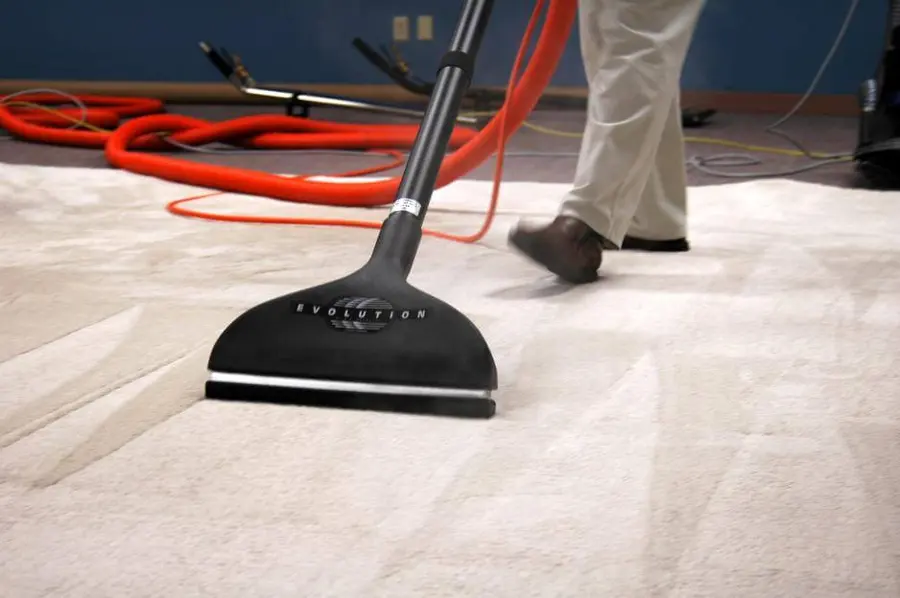
First steps for water extraction and removal in Pembroke
Water on a floor does not stay put. In Pembroke it can rise from the Suncook River after a storm or pour from a failed hose indoors, and either way the first job is the same: get the volume out before it climbs into walls and sub-flooring.
Stop the source Shut the main valve or switch off the failed appliance so no new water joins what is already on the floor.
Stay out of deep water Standing water near outlets or cords can be live. Leave deep water to the extraction crew and keep children and pets away.
Lift what you can reach Move small furniture, rugs and stored boxes onto dry surfaces, and set couch legs on foil or plastic.
Photograph before pumping Take wide and close photos showing how high the water reached and which belongings were affected.
River water or tap water?
Floodwater from the Suncook carries silt and bacteria that tap water does not, so it is handled as contaminated. Mention where the water came from when calling.
(888) 670-6527Describe the water sourceHow the Pembroke restoration team handles water extraction and removal
Rapid local response
Dispatch runs around the clock, and active water is treated as urgent at any hour, weekends and holidays included.
IICRC S500 drying standard
Structural drying, not surface drying: air movers and LGR dehumidifiers sized to the class of loss, checked with daily readings.
Claim-ready documentation
Moisture maps, daily psychrometric logs and timestamped photos taken before any demolition go into the claim file.
Cold-climate know-how
Frozen pipes, ice dams, snowmelt in older stone basements and spring river flooding set how a home here gets wet.
What does water extraction and removal cost in Pembroke, NH?
Water extraction in town usually runs from $400 to $1,200 for one room, with several rooms or a basement costing more. Contaminated water and long pump-outs sit at the top of the range, mostly from added removal and antimicrobial work.
- One flooded bedroom or kitchen
- Portable pump or wand
- Pad lifted only where needed
- Water across a whole floor
- Truck-mounted pump-out
- Wet pad removed and hauled
- Deep or contaminated water
- Pumps plus extraction tools
- Removal and antimicrobial
Documentation for your insurance claim
The restoration team builds the claim file: a moisture map, daily drying logs, timestamped photos before demolition and a line-item scope. A sudden pipe or appliance leak is usually a homeowners claim; rising flood water usually needs a flood policy. Coverage depends on your policy, so check with your own insurer.
Ranges are typical, not a quote: water category, square footage, material class and how fast drying started move the number most. Run the water damage cost calculator for a closer range.
How water extraction and removal is handled in Pembroke
The tech who does the walkthrough maps moisture before any equipment goes down, so the drying plan matches what is actually wet. Equipment stays until the readings say dry, not until it looks dry.
Locate the water
Moisture meters and a thermal imaging camera trace where the water traveled, including under cabinets, behind baseboards and into the rooms below.
Pump and extract
Pumps clear the standing depth, then wands and truck-mounted suction pull water out of carpet, pad and cracks along the walls.
Remove what will not dry
Saturated pad, soaked insulation and swollen baseboards are cut out so the structure underneath can dry properly.
Dry and verify
Air movers and dehumidifiers run until readings match dry reference points, and the results go into a written log.
How standing water is removed
Portable pumps handle a few inches in a closet or hallway. Truck-mounted units, which pull far more water through long hoses, take over when a basement or a whole floor is under water. A wand then works the carpet and pad to lift what the pumps leave behind.
- Pumps for deep standing water
- Extraction wands for carpet and pad
- Squeegee tools for hard floors
- Moisture meters to confirm what is left
Rivers, storms and indoor leaks
The town is bordered by the Merrimack, Soucook and Suncook rivers, and the Suncook has flooded homes here before, most visibly in May 2006 when evacuations followed. Indoor sources are just as common: a split supply pipe, a failed washing machine hose or a water heater that lets go all at once.
Why the water type matters
Clean supply water can often be extracted and the materials dried in place. Water that has crossed a dirty floor, or that arrived from a river or a backed-up drain, is treated differently, because porous materials usually come out and hard surfaces get an antimicrobial treatment. Read more about sewage backup cleanup when a drain is the source.
- Clean water from a failed pipe or hose
- Gray water from a washer or dishwasher
- Black water from a river flood or sewer
What happens after extraction
Removing standing water is only the first stage. Air movers and dehumidifiers then pull out what soaked into the materials, and daily moisture readings show when the structure has reached a dry standard. Without that second stage, damp subfloors and wall bottoms can grow mold within a day or two, which is why structural drying follows every pump-out.
Water extraction and removal across Pembroke and nearby towns
Extraction crews work throughout the town, from the older homes around Suncook Village to the Buck Street area, the Academy Road area, the Brickett Hill Road area and houses along Pinewood Road.
The same service nearby: water extraction and removal in Concord, Bow, Hooksett.
Water Extraction and Removal questions in Pembroke, NH
Water still spreading?
Unsure whether the water on your floor needs pumps or towels? Describe it to the extraction crew.
(888) 670-6527 Describe your standing waterHow deep can water be before pumps are needed?
A shop vacuum copes with a thin film. Once water covers the floor or reaches the baseboards, pumps and extraction tools finish the job much faster and more completely.
Does extraction save the carpet?
Often the carpet itself survives when the water is clean and removed promptly, because it can be lifted and dried. The pad underneath is usually replaced since it holds water like a sponge.
Can river floodwater be pumped out the same way?
The equipment is similar, but the handling is stricter. Floodwater is contaminated, so crews wear protective gear, discard porous materials and treat hard surfaces before drying begins.
Why does a floor feel dry but still read wet?
Water hides in subfloor layers, wall bottoms and under cabinets. Surfaces feel dry long before the materials do, which is why moisture meters, not touch, decide when drying can stop.
Who handles the insurance paperwork?
The homeowner files the claim, and the crew supplies photos, moisture readings and drying logs that adjusters use. Keeping receipts and damaged items until the adjuster visits helps the claim move.
What if water returns after the pump-out?
Rain, a failed sump or a seeping foundation can refill a space. The crew checks the source during the visit so the room is not extracted twice for the same cause.
Let the extraction crew take the water out of your Pembroke home
Local crews bring pumps, meters and drying equipment, and prepare claim paperwork.
(888) 670-6527Book the pump-out