Water Extraction and Removal in Hooksett, NH
In Hooksett, standing water soaks into subfloors and framing fast. The extraction crew pulls it out of carpet, tile and basements with pumps and truck-mounted equipment, then hands the structure to the drying team.
(888) 670-6527Start extraction help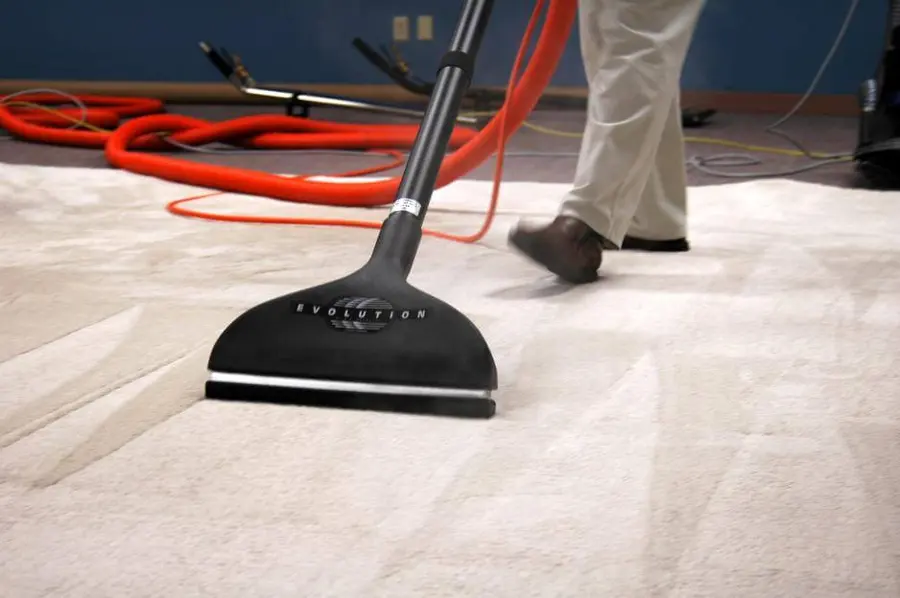
First steps for water extraction and removal in Hooksett
Extraction is the first job on almost every water loss, and in Hooksett it covers everything from a flooded finished basement to a kitchen floor soaked by a failed hose. The sooner the water leaves, the less the structure absorbs, and the sooner structural drying can begin.
Shut off the source Close the fixture valve or the main shutoff first. Extraction cannot get ahead of water that is still coming in.
Move contents up Lift small furniture, rugs and boxes onto dry surfaces and keep wet items apart so they can be sorted early.
Skip the household vacuum A standard vacuum is not built for water and can create a shock hazard. Use only equipment made for wet pickup.
Describe the water Note the source, how long it ran and whether it touched drains or soil. The category decides what can stay.
Water still standing?
Pumps and truck mounts are staged to match the depth and area, so the room, the depth and the source tell the crew what to bring.
(888) 670-6527Tell the crew the depthHow the Hooksett restoration team handles water extraction and removal
Rapid local response
Dispatch runs around the clock, and active water is treated as urgent at any hour, weekends and holidays included.
IICRC S500 drying standard
Structural drying, not surface drying: air movers and LGR dehumidifiers sized to the class of loss, checked with daily readings.
Claim-ready documentation
Moisture maps, daily psychrometric logs and timestamped photos taken before any demolition go into the claim file.
Cold-climate know-how
Frozen pipes, ice dams, snowmelt in older stone basements and spring river flooding set how a home here gets wet.
What does water extraction and removal cost in Hooksett, NH?
Water extraction usually runs $400 to $1,200 for one room, $1,200 to $3,500 across several rooms and $3,500 to $8,000 for a basement or Category 3 loss. Depth, square footage and water category set the price.
- Standing water in one room
- Truck-mounted or portable extraction
- Carpet and pad saved when possible
- Water across one full level
- Truck-mounted extraction
- Pad removal where needed
- Deep or contaminated water
- Pumps plus extraction
- Removal and antimicrobial
Documentation for your insurance claim
The restoration team builds the claim file: a moisture map, daily drying logs, timestamped photos before demolition and a line-item scope. A sudden pipe or appliance leak is usually a homeowners claim; rising flood water usually needs a flood policy. Coverage depends on your policy, so check with your own insurer.
Ranges are typical, not a quote: water category, square footage, material class and how fast drying started move the number most. Run the water damage cost calculator for a closer range.
How water extraction and removal is handled in Hooksett
The tech who does the walkthrough maps moisture before any equipment goes down, so the drying plan matches what is actually wet. Equipment stays until the readings say dry, not until it looks dry.
Assess and shut off
The crew confirms the source is stopped, reads the water category and checks the floor for safe access before pumping.
Pump and extract
Submersible pumps clear the depth, then truck-mounted and portable extractors lift what remains from carpet, tile and slab.
Remove what cannot dry
Saturated pad, swollen baseboard and wet insulation come out, and affected floors get a cleaning pass where the category calls for it.
Hand off to drying
Readings from the extraction visit set the starting point, then air movers and dehumidifiers pull out the moisture that remains.
Where the standing water comes from
Standing water in town can come from an indoor leak or from the Merrimack River, which practically divides the town in half. The New England States Emergency Consortium reports that the spring floods of 1936 left the main street under 18 to 20 feet of water. River water is handled under flood water cleanup.
- Burst or frozen supply pipes
- Sump pump and drain failures
- Washer, dishwasher and water heater leaks
- Roof, window and storm intrusion
How the extraction crew works
Work starts with safe access, a shutoff of the source and a read of the water category. Truck-mounted units cover large areas, portable extractors reach stairs and tight rooms, and submersible pumps move deep water out before anything else.
What happens to carpet and pad
Carpet over a clean spill can often be extracted in place and dried, but the pad underneath holds water and is usually replaced. Wands pull water through the carpet from above while air movers finish the job. Gray or black water changes the plan, because porous materials come out and the area is disinfected first.
- Clean water caught early: carpet and pad often stay
- Gray water: carpet kept only if contained fast
- Black water: carpet and pad removed and bagged
Planning where the water goes
Town ordinance bars placing pumped water on the traveled part of a public way or sidewalk without written permission. The crew sets the discharge route before the pumps start, keeping it on the property and away from the street. The route is noted in the job file.
Water extraction and removal across Hooksett and nearby towns
The extraction crew works across Martins Corner, Rowes Corner, Granite Hill and Campbell Hill, on both sides of the Merrimack River, in houses, condos, rentals and commercial units.
The same service nearby: water extraction and removal in Concord, Bow, Pembroke.
Water Extraction and Removal questions in Hooksett, NH
Water still spreading?
Water on the floor and unsure what comes next? Describe the room and depth to the extraction crew.
(888) 670-6527 Ask the extraction crew in HooksettHow fast does water have to come out?
Carpet and pad start absorbing within hours, and walls wick moisture upward. Mold can begin after 24 to 48 hours, so extraction ranks first.
Will wet carpet have to be thrown out?
Clean water caught early often leaves carpet recoverable, because the crew extracts it in place and replaces only the pad. Gray or black water usually means removal.
What does it cost to remove standing water?
One room usually runs $400 to $1,200, while several rooms run $1,200 to $3,500. Basements and Category 3 water climb toward $8,000 once removal and antimicrobial work are added.
Can pumped water go in the street?
Not without written permission. Town ordinance bars placing pumped water on a public way or sidewalk, so the crew routes discharge onto the property.
Does extraction include drying?
Extraction removes the liquid water. Drying walls, subfloor and framing is a separate phase with air movers, dehumidifiers and daily readings, and most losses need both.
Is river flood water handled differently?
Yes. Flood water from the Merrimack River is treated as black water, so the work adds containment, removal of porous finishes and disinfection.
Get the water out before it reaches the framing
The crew brings pumps and extractors sized to the room and the depth.
(888) 670-6527Request water removal