Basement Flooding Cleanup in Hooksett, NH
A flooded basement can hold water for days if nothing pulls it out. The cleanup crew pumps out the depth, extracts the slab and carpet and dries the walls before the dampness climbs higher in Hooksett.
(888) 670-6527Pump out the basement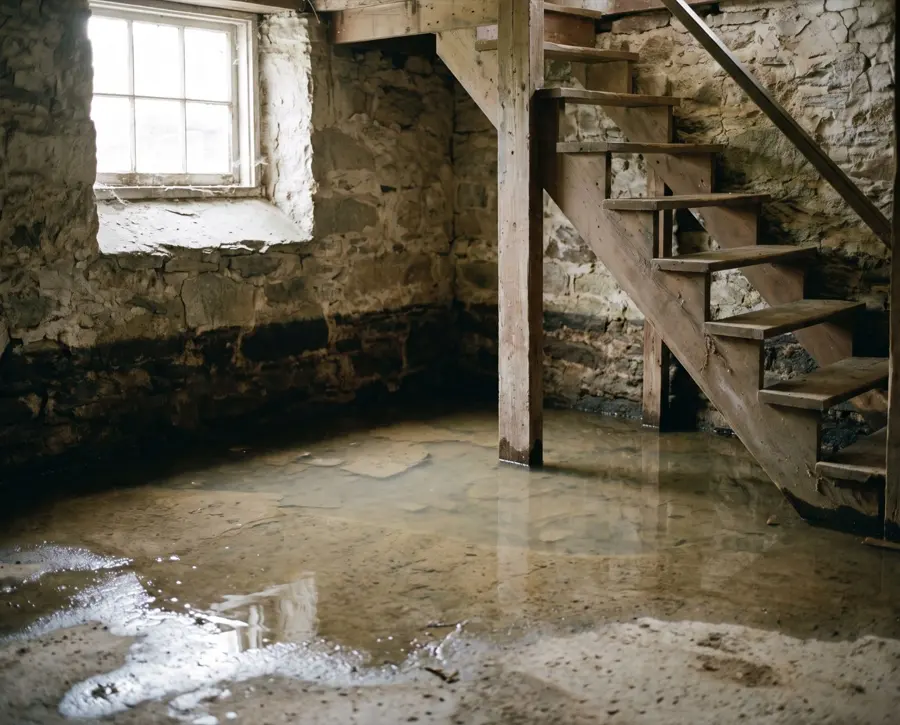
First steps for basement flooding cleanup in Hooksett
Basement water is rarely just a wet floor. It gets into the bottom of the walls, the carpet tack strip, the stored boxes and the slab itself, and in a finished space it hides behind drywall that looks fine until the smell arrives.
Stay out of the water Do not wade into standing water while power is on. Shut off the breaker only if the panel itself is dry and easy to reach.
Find the source Check for a failed pump, a burst pipe, a blocked floor drain or runoff at a window well. The source decides what happens next.
Raise stored items Move boxes, electronics and furniture onto dry shelves or blocks. Paper, fabric and cardboard are hard to save once they wick water.
Photograph the waterline Wide photos plus close shots of the waterline on walls and stored items show how deep the water got, which helps the claim.
Basement filling with water?
Share the depth, what is stored down there and whether a pump, pipe or drain is involved. Those answers tell the crew how many pumps, extractors and dehumidifiers the job needs.
(888) 670-6527Describe the basement waterHow the Hooksett restoration team handles basement flooding cleanup
Rapid local response
Dispatch runs around the clock, and active water is treated as urgent at any hour, weekends and holidays included.
IICRC S500 drying standard
Structural drying, not surface drying: air movers and LGR dehumidifiers sized to the class of loss, checked with daily readings.
Claim-ready documentation
Moisture maps, daily psychrometric logs and timestamped photos taken before any demolition go into the claim file.
Cold-climate know-how
Frozen pipes, ice dams, snowmelt in older stone basements and spring river flooding set how a home here gets wet.
What does basement flooding cleanup cost in Hooksett, NH?
Basement cleanup runs $2,000 to $5,000 for an unfinished space, $5,000 to $15,000 for a finished basement and $15,000 to $30,000 when the water is flood water or a drain backup.
- A few inches on a slab
- Pump-out and extraction
- Slab and wall dehumidification
- Wet carpet, drywall and furniture
- Wet finishes removed
- Structural wall drying
- Flood water or a drain backup
- Containment and antimicrobial
- Porous finishes fully removed
Documentation for your insurance claim
The restoration team builds the claim file: a moisture map, daily drying logs, timestamped photos before demolition and a line-item scope. A sudden pipe or appliance leak is usually a homeowners claim; rising flood water usually needs a flood policy. Coverage depends on your policy, so check with your own insurer.
Ranges are typical, not a quote: water category, square footage, material class and how fast drying started move the number most. Run the water damage cost calculator for a closer range.
How basement flooding cleanup is handled in Hooksett
The tech who does the walkthrough maps moisture before any equipment goes down, so the drying plan matches what is actually wet. Equipment stays until the readings say dry, not until it looks dry.
Pump and measure
Submersible pumps lower the water in stages while the crew records the depth, the waterline and the moisture in the walls.
Extract and remove
Extractors clear the slab, and carpet, pad and wet drywall that cannot dry are cut out and bagged.
Dry walls and slab
Dehumidifiers and air movers run in the closed basement until wall and slab readings reach the dry standard.
Clean and close out
Surfaces are cleaned, readings are logged and the drying file is ready for the adjuster and the contractor.
Where basement water comes from
Heavy rain, snowmelt, a failed sump pump, a split pipe or a backed-up drain can all put water on a basement floor. The cause decides the water category, and the category decides what can be dried and what has to be removed.
- Groundwater rising through the slab or wall joints
- Overwhelmed or failed sump pumps
- Supply pipe and water heater leaks
- Sewer backups through a floor drain
What town rules mean for a basement
Hooksett's sewer ordinances bar connecting foundation drains, areaway drains and other groundwater sources to the sanitary sewer, and they bar floor drains below the 100-year flood elevation. Those rules explain why basement water is pumped out and routed outside instead of sent down a drain. Pump failures are covered under sump pump failure cleanup.
Pump-out, extraction and drying
Depth sets the first move. Submersible pumps lower the water in stages so walls are not stressed, extractors clear the slab and carpet, and anything that cannot dry is cut out. Dehumidifiers then run in the closed space while the crew logs wall and slab readings on every visit.
- Water lowered in stages with submersible pumps
- Wet carpet, pad and drywall cut out and bagged
- Dehumidifiers and air movers running on slab and walls
Stored belongings and finishes
Boxes, books and upholstery wick water upward and are hard to save once they sit in it. Solid wood, plastic and metal clean up well. Finished walls get a closer look, since drywall that drank water from the bottom edge often needs to come out a foot or two above the waterline. Water that came in from outdoors moves the job into flood water cleanup.
Basement flooding cleanup across Hooksett and nearby towns
The crew works in basements and lower levels across Martins Corner, Granite Hill, Hackett Hill and the Village, and in condos and rentals where a shared wall or drain can send water down.
The same service nearby: basement flooding cleanup in Concord, Bow, Pembroke.
Related water damage services in Hooksett
Basement Flooding Cleanup questions in Hooksett, NH
Water still spreading?
Basement water still sitting on the slab? Describe the depth and the crew will bring the right pumps.
(888) 670-6527 Ask about basement waterIs it safe to go into a flooded basement?
Not while the power is on or the water is deep. Electrical hazards and contaminated water are the main risks, so wait until the power is made safe.
How long until the basement is dry?
Slab and masonry walls dry slowly. Plan on three to five days with dehumidifiers running, and longer for deep losses or finished walls.
Does insurance pay for a flooded basement?
It depends on the cause. A burst pipe or appliance failure is often covered, while groundwater seepage and river flooding usually need a separate flood policy. Check the water section of the policy.
What happens to carpet in a flooded basement?
Clean water caught early can leave carpet salvageable, though the pad usually goes. Flood water or sewage means carpet and pad are removed and discarded.
What about stored boxes and furniture?
Move them to dry ground early. Cardboard, paper and fabric wick water and are hard to save, while solid wood, plastic and metal can usually be cleaned and dried.
How does the crew keep mold from starting?
By drying fast. Damp materials can support growth in 24 to 48 hours, so extraction and dehumidification start right away and run until readings are normal.
Get the basement dry before the walls hold the damp
Pumps, extractors and dehumidifiers are matched to the depth and the finishes.
(888) 670-6527Request a basement dry-out