Sump Pump Failure Cleanup in Weare, NH
A sump pump that stops during a storm lets the pit overflow onto the basement floor. The crew removes the water, clears ruined finishes and dries the slab and walls afterward.
(888) 670-6527Call about pump overflow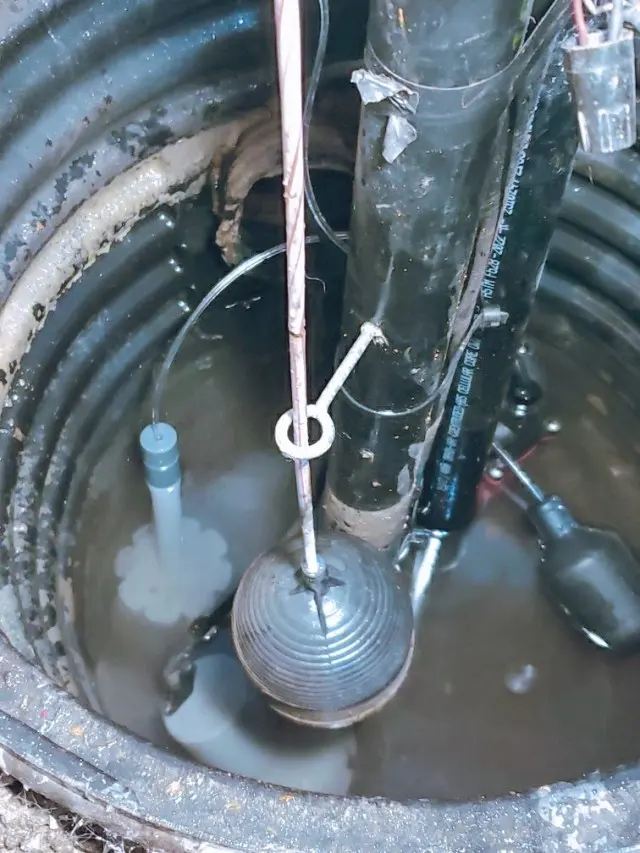
First steps for sump pump failure cleanup in Weare
A sump pump only works while it has power and a clear pit. The January 1998 ice storm left the whole town without electricity for four days, and restoring most power after the December 2008 ice storm took about 14 days across New Hampshire.
Kill the power If the basement floor is wet, shut off power to that area from a dry panel. Never stand in water to reach a breaker.
Check the pump If the pit is full and the pump is silent, look for a tripped breaker or an unplugged cord, and reset it only from dry ground.
Stop adding water Run no washing machine, dishwasher or shower while the pit is full, since drains and appliances add to the overflow.
Photograph and call Photograph the pit, the pump and the water level, then call so extraction can start before the slab and walls soak.
Outage lasting days?
In a long outage a pump on a generator or battery can keep the pit down, and a basement kept empty costs far less to protect than to dry.
(888) 670-6527Ask about backup powerHow the Weare restoration team handles sump pump failure cleanup
Rapid local response
Dispatch runs around the clock, and active water is treated as urgent at any hour, weekends and holidays included.
IICRC S500 drying standard
Structural drying, not surface drying: air movers and LGR dehumidifiers sized to the class of loss, checked with daily readings.
Claim-ready documentation
Moisture maps, daily psychrometric logs and timestamped photos taken before any demolition go into the claim file.
Cold-climate know-how
Frozen pipes, ice dams, snowmelt in older stone basements and spring river flooding set how a home here gets wet.
What does sump pump failure cleanup cost in Weare, NH?
Sump pump failure cleanup runs $1,500 to $20,000. A brief overflow onto a bare slab is inexpensive, while a long outage with deep water and finished space costs far more.
- Water on a bare slab
- Pump-out and extraction
- Basement dehumidified afterward
- Carpet, drywall and storage wet
- Wet finishes torn out
- Walls and framing dried
- Hours of overflow in a storm
- Deep water across the basement
- Long drying and sanitizing
Documentation for your insurance claim
The restoration team builds the claim file: a moisture map, daily drying logs, timestamped photos before demolition and a line-item scope. A sudden pipe or appliance leak is usually a homeowners claim; rising flood water usually needs a flood policy. Coverage depends on your policy, so check with your own insurer.
Ranges are typical, not a quote: water category, square footage, material class and how fast drying started move the number most. Run the water damage cost calculator for a closer range.
How sump pump failure cleanup is handled in Weare
The tech who does the walkthrough maps moisture before any equipment goes down, so the drying plan matches what is actually wet. Equipment stays until the readings say dry, not until it looks dry.
Pump out the overflow
Portable pumps and extractors empty the basement while the source is still active or just stopped.
Clear wet materials
Carpet, pad, stored cardboard and low drywall that took water are removed and sorted.
Dry the slab and walls
Dehumidifiers and air movers run against concrete, block and framing until the surfaces settle.
Document the loss
Photos, readings and the pump's condition go into a record the adjuster can follow.
Why pumps stop when they are needed most
The same storms that raise groundwater also knock out electricity. A float switch can jam, a motor can burn out and a clogged discharge pipe can leave the pit full while the pump runs. Heavy rain in May 2006 and a week of rain in July 2021 showed how fast local water levels can climb.
- Power cuts during storms and ice events
- A float switch stuck against the pit wall
- A motor worn out from years of cycling
- A discharge pipe frozen or blocked outside
What the cleanup involves
The first move is shutting off power to the wet basement and pumping the overflow out of the house with the crew's own equipment. Carpet, pad and the base of the drywall come out if flood water touched them, and the slab and walls are dried with dehumidifiers and air movers.
Before the next storm
Pump replacement and backup power are plumbing and electrical work, but the drying team sees what a failure leaves behind. Homeowners commonly add a battery backup, a high-water alarm and a separate discharge path.
- Test the pump each spring by pouring water into the pit
- Keep the discharge pipe clear of ice and debris
- Consider battery backup for outages that last for days
Drying and documentation
After the pump-out, moisture readings track the slab, block and framing, and logs show when the basement is dry. The same sequence is described at sump pump failure cleanup in Concord, and finishes are covered under basement flooding cleanup.
Sump pump failure cleanup across Weare and nearby towns
Pump failure calls come from basements across town, from Riverdale and Tavern Village to Clinton Grove, the lake roads and the hillside streets off Route 114 and Route 77.
The same service nearby: sump pump failure cleanup in Concord, Hopkinton, Bow.
Related water damage services in Weare
Sump Pump Failure Cleanup questions in Weare, NH
Water still spreading?
Pump failed and water rising? Describe the basement and the crew will plan the pump-out.
(888) 670-6527 Request overflow cleanupDoes insurance pay when a sump pump fails?
Standard homeowner policies often exclude water that comes up from the ground, while a sump overflow endorsement may cover it. Check the policy wording and ask the adjuster which coverage applies.
How can I tell the pump has failed?
Signs include a pit that stays full, a motor that hums without pumping, a float that will not rise and damp patches on the slab. A pump that never shuts off may also be failing.
Is sump overflow water contaminated?
It is usually Category 2 or 3 because groundwater carries soil and bacteria, so porous materials such as carpet and pad are generally removed instead of dried.
Should I add a backup pump?
A battery unit or a second pump protects against power loss and a failed primary. A plumber can size it, since storm outages can last for days.
How long does the basement take to dry afterward?
A slab and block walls typically need five to seven days of drying, longer if the water stood for hours. The log of readings decides when the equipment leaves.
Can stored items be saved?
Plastic bins and hard goods usually clean up, while cardboard, books and fabric rarely survive. Photograph the contents before discarding them for the claim.
Get the overflow out before it reaches the framing
The crew brings pumps, extractors and dehumidifiers sized to the basement.
(888) 670-6527Call about the sump overflow