Sewage Backup Cleanup in Weare, NH
In a town with no public sewer, a backup comes from a septic system or the building's own drain. The crew contains it, removes contaminated materials and sanitizes the space.
(888) 670-6527Call about the sewage backup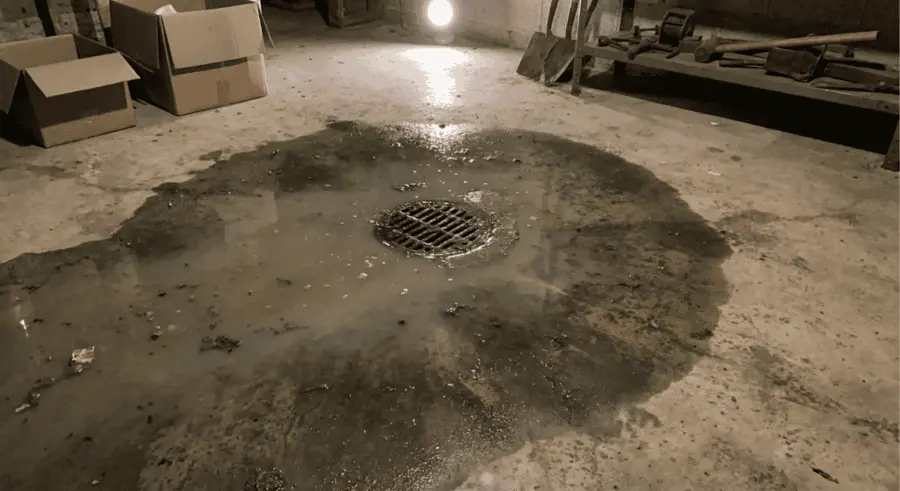
First steps for sewage backup cleanup in Weare
Weare has no town-wide sewer system. Most residents rely on private wells and septic tanks pumped by private haulers, so a backup usually traces to the septic system or the building's own drain, not to a municipal main.
Stop using water Do not run sinks, showers, washers or toilets. Every gallon sent down a drain can push more wastewater into the house.
Keep people out Keep children, pets and anyone with health problems out of the area, and do not walk through it in street shoes.
Do not clean it yourself Avoid mopping or vacuuming sewage. Both spread contamination, and a wet vacuum can throw it into the air.
Photograph and call Photograph the affected area, then call for containment, and ask a septic professional about the tank.
Septic tank full?
A tank that is overdue for pumping is a common cause of backups. A septic hauler can pump and inspect it, while the restoration crew handles the house.
(888) 670-6527Ask about septic backupsHow the Weare restoration team handles sewage backup cleanup
Rapid local response
Dispatch runs around the clock, and active water is treated as urgent at any hour, weekends and holidays included.
IICRC S500 drying standard
Structural drying, not surface drying: air movers and LGR dehumidifiers sized to the class of loss, checked with daily readings.
Claim-ready documentation
Moisture maps, daily psychrometric logs and timestamped photos taken before any demolition go into the claim file.
Cold-climate know-how
Frozen pipes, ice dams, snowmelt in older stone basements and spring river flooding set how a home here gets wet.
What does sewage backup cleanup cost in Weare, NH?
Sewage backup cleanup commonly costs $2,000 to $30,000. A small backup on a bare floor is the low end, while a large or repeat backup through finished rooms costs far more.
- Backup on bare concrete
- Containment and cleaning
- Antimicrobial and drying
- Carpet, drywall and contents touched
- Porous materials removed
- Containment and HEPA scrubbing
- Sewage across several rooms
- All porous finishes removed
- Long cleaning and drying
Documentation for your insurance claim
The restoration team builds the claim file: a moisture map, daily drying logs, timestamped photos before demolition and a line-item scope. A sudden pipe or appliance leak is usually a homeowners claim; rising flood water usually needs a flood policy. Coverage depends on your policy, so check with your own insurer.
Ranges are typical, not a quote: water category, square footage, material class and how fast drying started move the number most. Run the water damage cost calculator for a closer range.
How sewage backup cleanup is handled in Weare
The tech who does the walkthrough maps moisture before any equipment goes down, so the drying plan matches what is actually wet. Equipment stays until the readings say dry, not until it looks dry.
Contain the area
Plastic barriers and air scrubbers keep contamination from spreading to clean rooms.
Extract and remove
Sewage is pumped out, and porous materials are cut away and bagged for disposal.
Clean and sanitize
Surfaces and framing are scrubbed and treated with antimicrobial solution.
Dry and clear
Dehumidifiers run until readings are dry, and surfaces are checked before the space reopens.
Why backups happen
A full or failing tank, a blocked drain or a saturated field can all push wastewater back toward the lowest fixture. Saturated ground in a wet spring can slow how a septic field drains. The signs are slow drains, gurgling fixtures, a sewage smell and water rising around a floor drain, usually in the lowest part of the house.
- A tank overdue for pumping
- Roots or grease in a drain
- A saturated septic field after heavy rain
- A blockage between the house and the tank
Containment first
The crew seals the work area with plastic, shuts off the ventilation that could spread contamination and sets air scrubbers with HEPA filters. Workers wear protective suits, gloves and respirators, and the sewage is extracted before any cleaning starts.
What gets removed
Carpet, pad, insulation and drywall that touched sewage cannot be made safe and are removed. Concrete, tile and framing are scrubbed and treated with antimicrobial products. The category matters here, because black water changes both the method and the paperwork.
- Carpet and pad that wicked the backup
- Drywall and insulation at floor level
- Stored cardboard and fabric goods
Septic service and records
The septic system or drain itself needs a septic or plumbing professional. The cleanup crew documents the loss with photos and logs and dries the structure afterward. Related work is described at sewage backup cleanup in Concord and flood water cleanup, and the Environmental Protection Agency publishes septic system care advice for homeowners.
Sewage backup cleanup across Weare and nearby towns
Backup calls come from septic homes across town, from Riverdale and Tavern Village to Clinton Grove, Chase Village, the lake roads and the houses off Route 114, Route 77 and Route 149.
The same service nearby: sewage backup cleanup in Concord, Hopkinton, Bow.
Related water damage services in Weare
Sewage Backup Cleanup questions in Weare, NH
Water still spreading?
Sewage in the house? Describe the area and the crew will plan the containment and removal.
(888) 670-6527 Request sewage cleanupDoes insurance cover a septic backup?
Many homeowner policies exclude sewage backup unless an endorsement was added. Ask the adjuster whether yours includes water backup coverage, and keep photos and invoices.
Who fixes the cause of the backup?
A septic professional or plumber handles the tank, the field and the drains. The restoration crew cleans and dries the house.
Can carpet be saved after a sewage backup?
Rarely. Carpet and pad that absorbed black water are removed, because the fibers hold bacteria that cleaning cannot fully remove.
How long does cleanup take?
Removal and sanitizing often take a day or two, followed by several days of drying. Larger backups take longer, and readings decide when the work is complete.
Is it safe to stay in the house?
Stay out of the affected rooms and keep the work area sealed. If the backup is large or the air smells strongly, a hotel stay may be wiser until cleanup finishes.
How can I avoid a repeat?
Pump the tank on a regular schedule, keep grease and wipes out of drains and have the system inspected after heavy rain or flooding.
Contain the backup before it spreads to clean rooms
Containment, removal and sanitizing keep the rest of the house protected.
(888) 670-6527Call about the backup