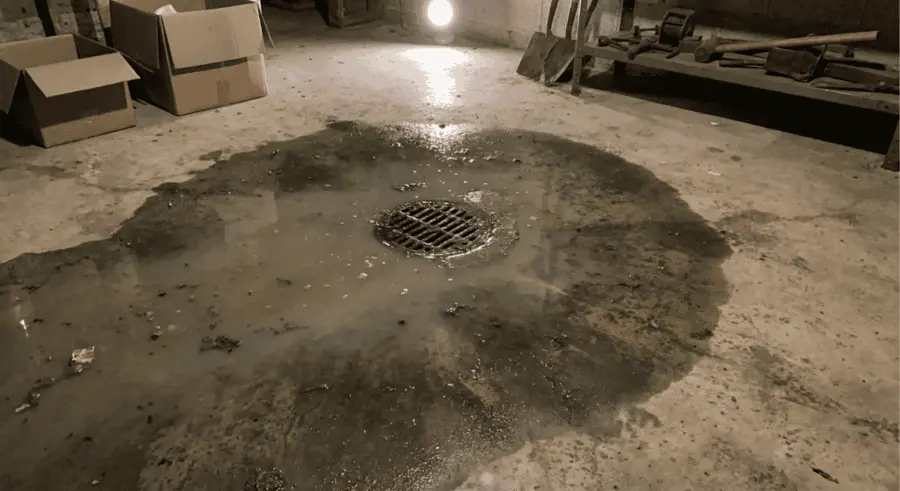
About two thirds of Pembroke residents are served by a municipal sanitary sewer, and the system is run jointly with Allenstown. When sewage comes up through a floor drain, tub or toilet, the first questions are where the blockage sits and what has to be cleaned.
Key takeaways
- The sewer is run jointly with Allenstown and serves about two thirds of residents.
- Under the Sewer Use Ordinance, the owner pays to install, connect, maintain and repair the building sewer.
- A building drain too low to flow by gravity must be lifted by an approved means at the owner's expense.
- Sewage is Category 3 water, so porous materials that touched it are removed rather than dried.
- Roof downspouts, foundation drains and driveway drains may not connect to a building sewer that leads to the public sanitary sewer.
How the shared sewer is set up
Sewer service here is run jointly with Allenstown, and about two thirds of residents are connected to the municipal sanitary sewer. The two towns share the Suncook Wastewater Treatment Plant, which sits in Allenstown.
The plant was built in 1977 and expanded in 2011 to 1.5 million gallons a day. It discharges to the Suncook River where that river meets the Merrimack River.
- A joint system run with Allenstown
- About two thirds of residents on the municipal sewer
- A shared treatment plant located in Allenstown
The owner's side of the pipe
The Sewer Use Ordinance makes the owner responsible for the cost of installing, connecting, maintaining and repairing the building sewer. That is the pipe that carries a building's waste out to the public sewer.
A blockage or break in that pipe is therefore a repair the owner arranges and pays for. It is separate from the cleanup of whatever the backup spilled indoors.
Drains that sit too low
The ordinance also says a building drain too low to flow by gravity to the public sewer must be lifted by an approved means at the owner's expense. Basement bathrooms and floor drains are the usual places where that matters.
- A pump or ejector that fails can send sewage back up through the lowest fixture
- A power loss during a storm can stop a lift system
- Gurgling at the lowest drain is an early sign
Who handles what
A sewage backup involves three separate jobs that are easy to confuse, and keeping them apart avoids delay.
- The plumber finds and repairs the blockage or break in the building sewer, which is the owner's side.
- The town's sewer officials look at the shared system when several homes have the same trouble.
- The restoration crew removes the sewage water, cleans, disinfects and dries the house.
Signs of a backup
A backup rarely starts with one dramatic event. It usually begins with slow drains and odors, then reaches the lowest opening in the house.
- Toilets that gurgle or bubble when a washer or sink drains
- Several fixtures draining slowly at the same time
- Water or sewage rising from a floor drain, tub or shower
- A sewage odor in a basement or utility room
- Dark water around the lowest drain after heavy use
What to do first
Calling early limits how far the water spreads. The Pembroke water damage pros can start on containment while a plumber works on the pipe.
If neighbors have the same trouble, that points toward the shared system, and the town's sewer officials should hear about it.
- Stop using water: no flushing, laundry or dishwasher.
- Keep people and pets away from the affected area.
- Do not use a household vacuum on sewage water.
- Wear boots and gloves if anything must be moved.
- Photograph the area before anything is cleaned.
- Call a restoration crew, and a plumber for the pipe itself.
Renters and landlords
About 23.8 percent of occupied homes here are rented and about 76.2 percent are owner occupied. A tenant who finds a backup should tell the landlord at once, because the building sewer is the owner's responsibility under the ordinance.
Photos, the time the problem began and a list of damaged belongings help both sides sort out what happened.
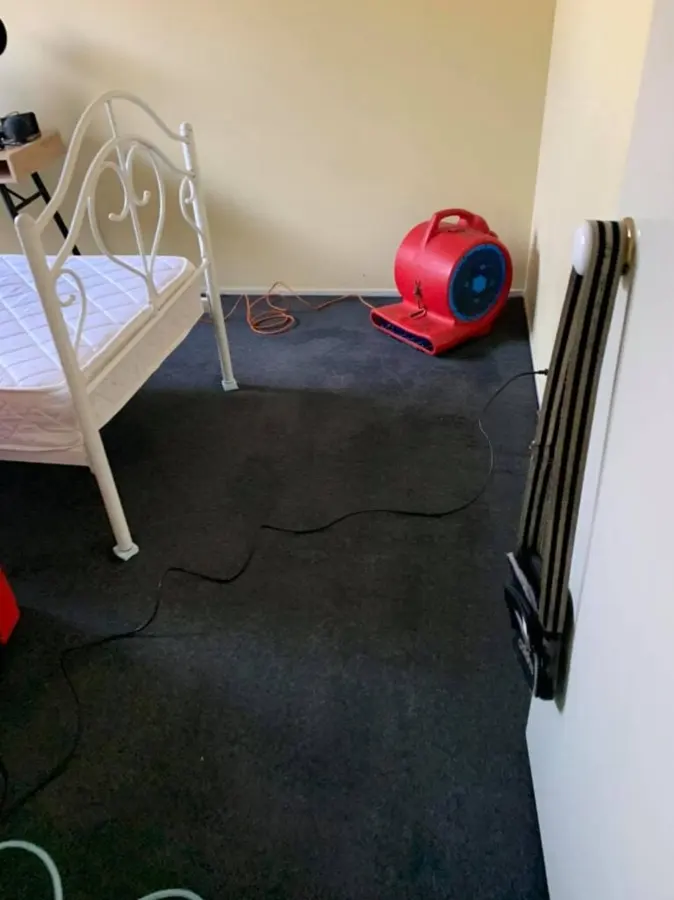
What Category 3 cleanup removes
Sewage is Category 3 water under the IICRC S500 standard, which means it carries bacteria and is never simply dried in place. A sewage backup cleanup starts with protective gear and containment, then removal of the contaminated water and solids.
A water extraction crew pulls the liquid, and porous materials that soaked it up are cut out and bagged.
- Carpet, pad and soaked insulation are removed and discarded.
- Drywall that wicked sewage water is cut out.
- Hard surfaces are cleaned and disinfected.
- Air movers and dehumidifiers dry what remains.
- Readings confirm the area is dry before rebuilding.
After the cleanup
Once the contaminated material is out and the area is cleaned, drying begins. The team sets air movers and dehumidifiers and measures moisture in walls and floors until the readings come down.
Rebuilding should wait for those readings and for the plumber to confirm the pipe is repaired, since a second backup would soil the new materials.
- Moisture readings confirm the structure is dry.
- The plumber confirms the pipe is clear or repaired.
- New drywall, flooring and trim go in last.
Keeping extra water out of the sewer
The ordinance bars connecting roof downspouts, foundation drains, driveway drains or other runoff or groundwater sources to a building sewer that leads to the public sanitary sewer. Extra clean water in a sanitary system can strain it when heavy rain arrives.
Downspouts and sump discharge belong outdoors. Correcting a bad connection lowers the risk of a repeat, and the cleanup itself follows the standard steps for any sewage backup.
- Point downspouts onto the ground, not into a sanitary drain.
- Never tie a sump pump discharge into a sanitary drain.
- Ask a plumber about floor drains and foundation drains.
- Keep the lowest drains clear and test any lift pump.
Questions
Who pays to repair the pipe from a Pembroke house to the sewer?
Under the Sewer Use Ordinance, the owner pays for installation, connection, maintenance and repair of the building sewer. For a specific property, the town's sewer officials can confirm where the public sewer begins.
What if the backup is in a basement bathroom?
A drain too low to flow by gravity must be lifted by an approved means at the owner's expense. A failed pump or a power loss can send sewage back up through the lowest fixture.
Is it safe to clean up a sewage backup without help?
Sewage is Category 3 water and carries bacteria, so porous materials that touched it are removed rather than dried. Protective gear and containment are part of the job.
Can a sump pump or downspout drain to the sanitary sewer?
No. The ordinance bars roof downspouts, foundation drains, driveway drains and other runoff or groundwater sources from connecting to a building sewer that leads to the public sanitary sewer.
How long does cleanup take after a sewage backup?
Extraction and cleaning come first, and drying follows over several days. Moisture readings decide when the area is dry, not a fixed schedule.
What if the backup happens in a rented home?
A tenant should tell the landlord right away and keep photos, since the building sewer is the owner's responsibility under the ordinance. The cleanup can begin while that is sorted out.