Storm Water Damage in Weare, NH
Wind-driven rain finds gaps around windows, flashing and storm-opened roofs. The response team extracts the water, dries the walls and ceilings and coordinates tarping with roofers.
(888) 670-6527Call about storm damage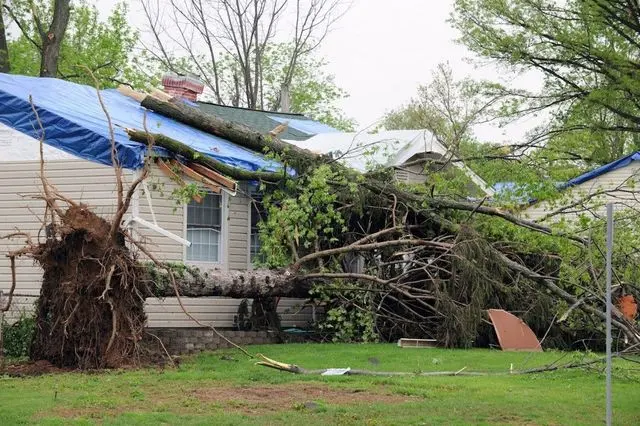
First steps for storm water damage in Weare
Weare has seen storms from the 1938 hurricane, which devastated parts of the town, to Irene in 2011, Sandy in 2012 and Matthew in 2016, which brought down trees and utility wires with minimal structural damage.
Make it safe Stay clear of downed wires and damaged ceilings, and turn off power to wet rooms from a dry panel.
Contain the water Place buckets, move belongings and cover furniture with plastic while the rain is still coming in.
Protect the opening A tarp over the roof or a board over a window limits more rain. Avoid climbing a wet roof yourself.
Photograph and call Photograph the damage and any fallen tree, then call for extraction and drying while a roofer is arranged.
Tree on the roof?
Keep everyone out from under the damaged area and do not cut the tree yourself. Contact the utility if wires are down, then call about the water.
(888) 670-6527Ask about tarp coordinationHow the Weare restoration team handles storm water damage
Rapid local response
Dispatch runs around the clock, and active water is treated as urgent at any hour, weekends and holidays included.
IICRC S500 drying standard
Structural drying, not surface drying: air movers and LGR dehumidifiers sized to the class of loss, checked with daily readings.
Claim-ready documentation
Moisture maps, daily psychrometric logs and timestamped photos taken before any demolition go into the claim file.
Cold-climate know-how
Frozen pipes, ice dams, snowmelt in older stone basements and spring river flooding set how a home here gets wet.
What does storm water damage cost in Weare, NH?
Storm water damage ranges from $800 to $20,000, set by how many rooms took water and whether the roof was opened. A window or door leak limited to one wall sits at the bottom.
- One wall or one room
- Extraction and wall drying
- Trim or baseboard removed
- Rain through siding or flashing
- Drywall and insulation opened
- Cavity and subfloor drying
- Water through ceilings and floors
- Tarping arranged with trades
- Long drying with monitoring
Documentation for your insurance claim
The restoration team builds the claim file: a moisture map, daily drying logs, timestamped photos before demolition and a line-item scope. A sudden pipe or appliance leak is usually a homeowners claim; rising flood water usually needs a flood policy. Coverage depends on your policy, so check with your own insurer.
Ranges are typical, not a quote: water category, square footage, material class and how fast drying started move the number most. Run the water damage cost calculator for a closer range.
How storm water damage is handled in Weare
The tech who does the walkthrough maps moisture before any equipment goes down, so the drying plan matches what is actually wet. Equipment stays until the readings say dry, not until it looks dry.
Secure and extract
Standing water is extracted and the opening is covered or coordinated with a roofer.
Trace the moisture
Meters and imaging follow the water through the ceilings, walls and insulation.
Remove what cannot dry
Soaked insulation and ruined drywall are cut out while sound framing stays in place.
Dry and confirm
Dehumidifiers and air movers run on a logged schedule until readings reach dry standards.
How storms get water inside
Heavy rain needs only a lifted shingle, a failed flashing joint or a cracked window seal. The town's 2018 hazard mitigation plan notes that thunderstorms and hurricanes can cause flooding in any season, so storm water is not limited to spring. Water then runs along rafters and inside walls, so the wet area is usually larger than the visible stain.
- Shingles lifted or stripped by wind
- Flashing around chimneys and skylights
- A limb through the roof or a window
- Gutters overflowing against the siding
What the response team does
Extraction begins in the wettest room, then moisture meters trace water into wall cavities, attic insulation and ceilings. The team removes soaked insulation, dries the framing and keeps the building protected while roofers or window crews repair the opening.
Roads, outages and delays
The May 2006 storm left 95 of 129 roads or road segments needing repair, a reminder that access and repairs can lag after a big event. When roofers are booked, a temporary tarp keeps rain out while drying continues, and a power cut can mean generator support for the dehumidifiers.
- Photograph the opening and the debris before cleanup
- Keep receipts for tarps and emergency repairs
- Save damaged materials for the adjuster
Drying after the storm
Once the rain stops, the crew keeps drying until the wall cavities and ceilings match dry readings. A broken roof is the roofer's repair. The same service in the main city is covered at storm water damage in Concord, and a leak through the roof deck falls under roof leak drying.
Storm water damage across Weare and nearby towns
Storm calls come from wooded hillsides and village streets alike, from Barnard Hill and Peacock Hill to Chase Village, Riverdale, Clinton Grove and the homes along Route 114 and Route 149.
The same service nearby: storm water damage in Concord, Hopkinton, Bow.
Related water damage services in Weare
Storm Water Damage questions in Weare, NH
Water still spreading?
Storm water in the house? Describe the openings and the team will plan the extraction and drying.
(888) 670-6527 Request storm cleanupDoes insurance cover storm water damage?
Wind-driven rain entering through a storm-damaged opening is commonly covered, while rain through a worn roof may not be. The adjuster decides from the cause, so document the opening.
Who fixes the roof?
A roofer repairs the opening, while the drying team removes the water and dries the structure. The two trades coordinate so a temporary tarp protects the house in the meantime.
Can drying start before the roof is fixed?
Yes, once the opening is covered. Drying inside while rain is still entering wastes effort, so the tarp or board comes first.
What if the power is out after the storm?
Extraction pumps and drying gear need electricity, so generator power may be needed. Outages from ice and wind storms have lasted several days in this area.
Why do storm leaks show up days later?
Water can travel along rafters and inside walls before it reaches a ceiling, so stains often appear well after the storm has passed.
How quickly should wet insulation come out?
Soaked insulation holds water against framing and invites mold within 24 to 48 hours, so it is removed or dried right away.
Dry out the house while the roof gets repaired
Extraction and drying are paced around tarping and the roofer's schedule.
(888) 670-6527Call about storm damage