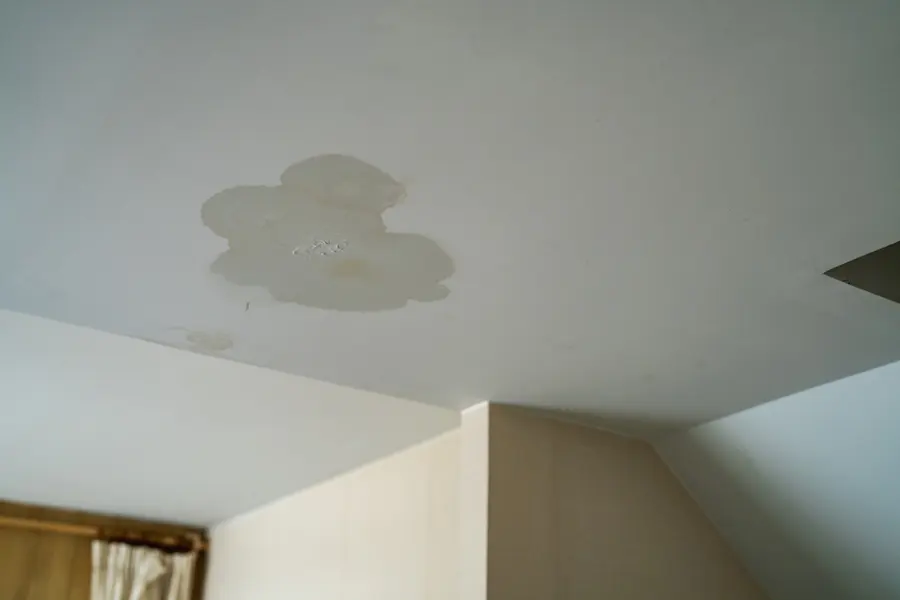
In the 2020 estimates, about 23 percent of Hooksett's housing units were in buildings with two or more units, and 2023 assessing data count 1,195 residential condos. In those buildings a ceiling stain is often the first sign of a leak in someone else's bathroom or kitchen.
Key takeaways
- A ceiling stain in a condo or apartment often starts in the unit above, not in the roof or in the unit where it shows.
- Common sources are tub and shower overflows, toilet seals, dishwasher and washer hoses, supply valves and water heaters.
- A bulging ceiling is holding water and should be kept clear until it can be opened safely.
- The owner above, the landlord or the association should be told quickly so the supply can be shut off.
- Drying usually covers the ceiling, the wall cavity and sometimes the floor system of both units.
Why a stain below can start next door
In the 2020 American Community Survey estimates, the town had 5,250 housing units. About 74 percent were single-family homes, 23 percent were in buildings with two or more units and 3 percent were manufactured or other types.
In a shared building, the floor of one unit is the ceiling of another. Pipes, drains and appliances in the unit above sit directly over the ceiling below.
The town also has seven age-restricted communities for adults 55 and over, holding 367 units, and the same shared-wall logic applies wherever units are stacked or attached.
- Tub and shower overflows
- Toilet seals and supply connections
- Dishwasher, washer and refrigerator supply hoses
- Shutoff valves under sinks
- Water heaters and their relief pipes
Reading the stain
The shape and timing of a stain say a lot about where the water comes from.
Signs that point to plumbing above
A stain that grows when someone upstairs runs a shower, flushes or starts a dishwasher points to supply or drain pipes. A ring that appears under a bathroom or kitchen usually does too.
Signs that point to the roof
A top-floor ceiling stain that grows during rain or snowmelt, with no unit above it, points to the roof, flashing or the attic.
Signs that point to an appliance
A stain below a laundry area or kitchen, with damp cabinets or flooring above it, often traces to a washer hose, dishwasher connection or refrigerator supply tube.
First steps in the unit below
A bulging ceiling holds water that can come down all at once, so it is best opened by a crew with protection in place.
Shutting off the water to the unit above is the one step that stops the damage, and it cannot be done from below. If nobody answers, a property manager or association may have access to shared shutoffs.
- Keep clear of any sagging or bulging section of ceiling.
- Stay away from light fixtures and outlets if water is reaching them.
- Move furniture and electronics out of the drip zone.
- Catch drips with buckets and lift rugs.
- Photograph the ceiling, the floor and any damaged belongings.
- Tell the owner above, the landlord or the property manager.
Who gets told, and why quickly
The fastest fix is shutting off the source, and only someone with access to the unit above can do that. The owner, landlord or association should hear about the stain as soon as it appears.
The Master Plan cites 1,230 rental properties in town, from 2020 Census data. The Hooksett Village Water Precinct advises landlords to check meters on rental properties at least once a month for leaks, and says most meters sit in basements or utility rooms.
Because the Water Precinct says most of its meters sit in basements or utility rooms, a meter that keeps turning when every fixture is off can be a sign of a hidden leak.
- Record the date the stain was first noticed.
- Ask whether anyone upstairs has seen a leak, an overflow or a running appliance.
- Keep messages in writing when possible.
- Share the photos with the owner, landlord or association.
Hidden paths between units
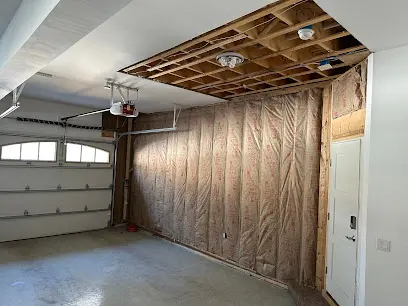
Water rarely stays where it lands. In a multi-unit building it can travel along pipes and wire chases, inside wall cavities and between floor joists, then appear far from the source.
That is why a small stain can hide a larger wet area. Moisture meters and a thermal camera map the real extent before anything is cut open.
- Stains can show several feet from the actual leak.
- A dry looking wall can hold wet insulation.
- Light fixtures and fans can channel water through the ceiling.
- Flooring above the leak can be wet without showing it.
Drying a ceiling and wall cavity
A ceiling leak water damage job starts by opening the wet section of drywall so the cavity can dry. Wet insulation is removed, and the framing is checked with moisture meters, much as in any ceiling leak.
When the source was an appliance, appliance leak water damage work in the unit above may run alongside it, since the cabinets, subfloor and flooring there are often wet too.
Below the ceiling, belongings are the next concern. Furniture, electronics, books and stored boxes are moved out of the drip zone, and carpet or hardwood under a wet ceiling is checked with a meter, since hardwood and laminate can cup or swell if water reaches them.
- Wet drywall and insulation are cut out and bagged.
- Air movers and dehumidifiers dry the cavity and the room.
- Readings are taken in both units when the water crossed between them.
- Clean water from a supply leak is handled differently from a toilet overflow, which is treated as contaminated.
Cutting the risk of a repeat leak
The Hooksett water damage pros can help with drying in either unit, and a few habits lower the chance of a second leak.
- Replace rubber hoses on washers and dishwashers that are cracked or bulging.
- Know where each shutoff valve is and test it twice a year.
- Keep an eye on the age of the water heater.
- Never leave a tub filling or a washer running while away.
- Ask the association or landlord about shared shutoffs.
Questions
Who is responsible when a leak in the unit above damages my ceiling?
That depends on the lease or the association rules and on the cause, so it helps to tell the owner, landlord or association right away and to keep photos. The cleanup itself can start before anyone decides who is responsible.
How can a plumbing leak be told apart from a roof leak?
A stain that grows when someone upstairs uses water points to plumbing. A top-floor stain that grows in rain or snowmelt points to the roof or attic.
Should a hole be poked in a bulging ceiling?
A bulging ceiling holds water that can fall suddenly. Staying clear and having a crew open it with protection in place is safer.
How long does a ceiling take to dry?
The cavity usually needs several days of drying, and the readings decide when the equipment can leave.
Will both units need drying?
When water crossed between units, readings are taken in both so hidden moisture in the framing is found.
Does the ceiling always have to be removed?
Not always. A small wet area can sometimes be dried through small openings, but a sagging, bulging or heavily stained ceiling is usually cut out so the cavity can dry.